
A forgotten wild at the crossroads of continents
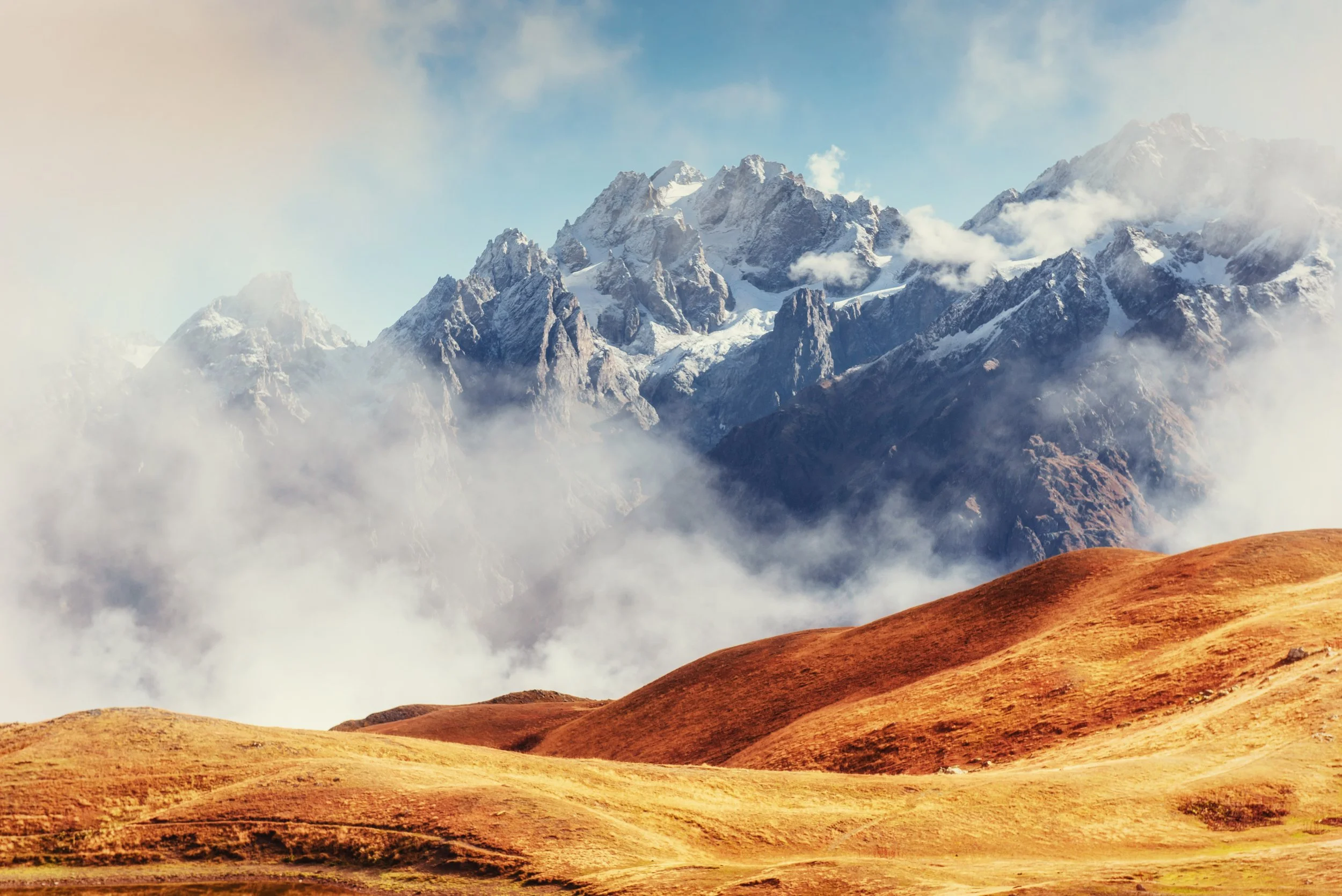
At the crossroads of Europe and Asia, two mountain ranges stand, resolutely overlooking one of the most important biodiversity hubs in the world— the Caucasus.
A landscape that should have been alive - but wasn’t
The first time I visited the Caucasus, I experienced something that only later was I able to put into words. I remember standing in a landscape that felt both ancient and unfinished. The mountains were massive, raw, and even intimidating in their scale. And yet, traveling through one of the most breathtaking places I had ever seen, something felt missing. I continued to have one nagging question— “Where is all the wildlife?” Here I was, driving and hiking through what looked like untouched wilderness, and I never once saw a wild animal. In fact, in all my times visiting, I have yet to see any wildlife, save for one lonely jackal on the outskirts of a tiny village. In reflecting on this, it felt like I was standing alone in a massive stadium without any players or fans. A place where great games had once been played, but had long been forgotten. I left the Caucasus, not thinking “Someone should do something here.” I left certain that this is where Wild Giants was going to begin and create a new chapter in Caucasus wildlife conservation.
Drawn to the edge of the wild
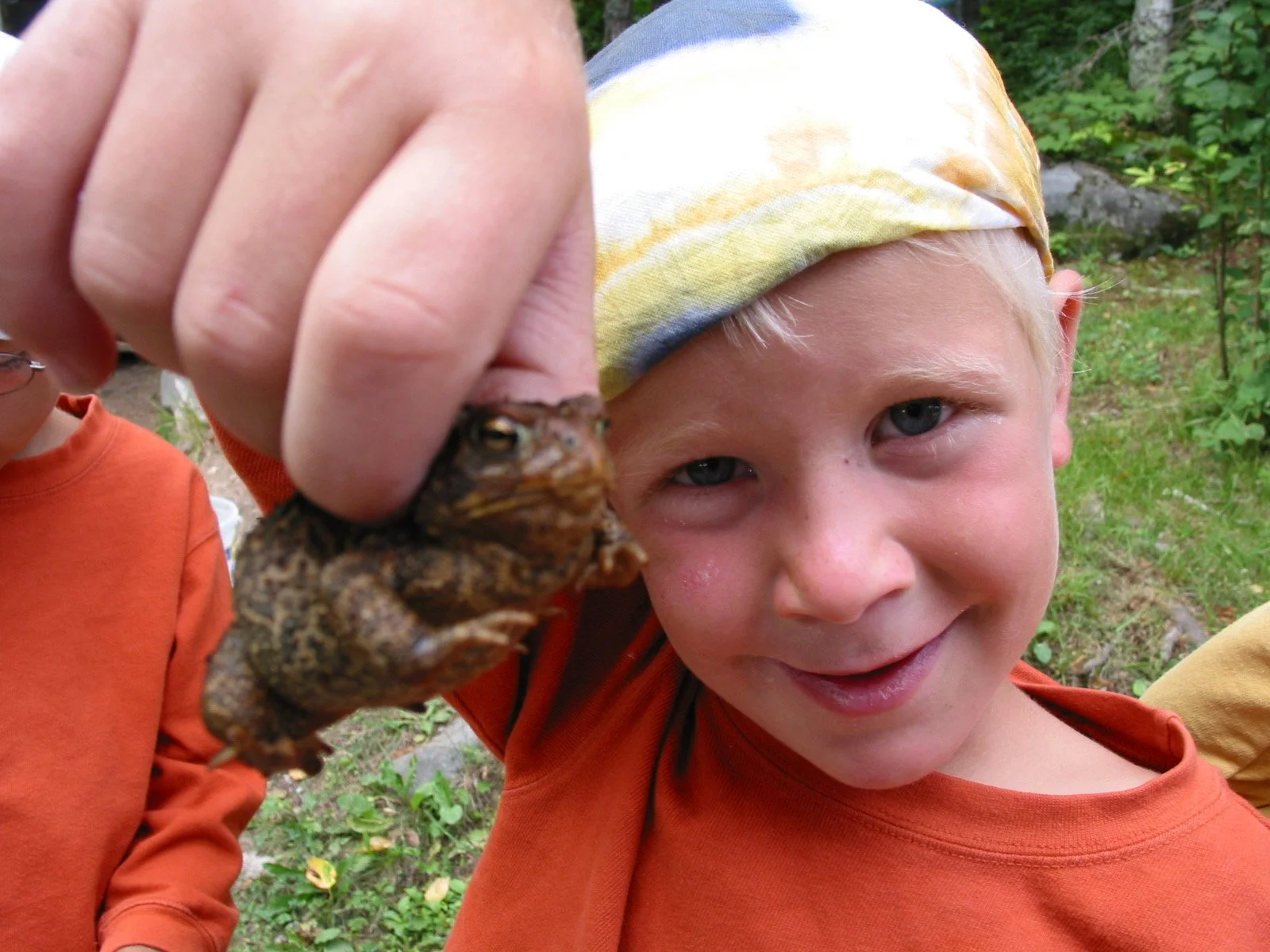
Most of my childhood was spent outdoors looking for adventure and connection to the wild.
I grew up fascinated by the wild. I have never been content to stay in the comfortable, organized bubble of modern civilization. As an outdoorsman, hunter, fisherman, and lover of nature, I have always sought the edge. Even as a child, I always wanted to push the boundaries and find the hidden little treasure that everyone else had overlooked. Sure, to others finding that little stream or seeing that deer in the secluded clearing may not have seemed like treasure, but to me that’s exactly what it was. Lilias Trotter captures that deep, inner drive to take the road less traveled when she said, “You can never tell to what untold glories a little humble path may lead if only you follow far enough.” The first time I visited the Caucasus, I realized I had stumbled onto one of these hidden glories.
Bezoar Ibex and Caucasian Tur have all but disappeared from the Caucaus Mountains of Georgia.
The Illusion Of Wilderness
In my time in the Caucaus, I quickly fell in love with the people, the mountains, streams, and valleys, and the untamed wild that I first thought I saw. But as I traveled throughout Georgia and neighboring Azerbaijan, I soon learned a harsh reality. It was only wild on the surface. After decades of Soviet rule, many of the natural resources had been stripped from this little corner of the world. And then, after the Soviet collapse, what little remained was also stripped away. Tumbleweeds now blow across dried, barren landscapes that have replaced centuries-old forests. Shepherds and livestock have replaced majestic Bezoar Ibex and the region’s most iconic species— the Caucasian Tur. The barking of guard dogs replaced the quiet majesty of the elusive Persian Leopard. A region that contains some of God’s best handiwork, featuring mountain peaks towering up to 18,500 feet high, lush subtropical lowlands, sweeping open plains, and imposing alpine forests. It has everything needed to be a paradise for those seeking the invigorating thrill of the wild. But alas, the spirit of the wild has slowly faded alongside the wildlife.
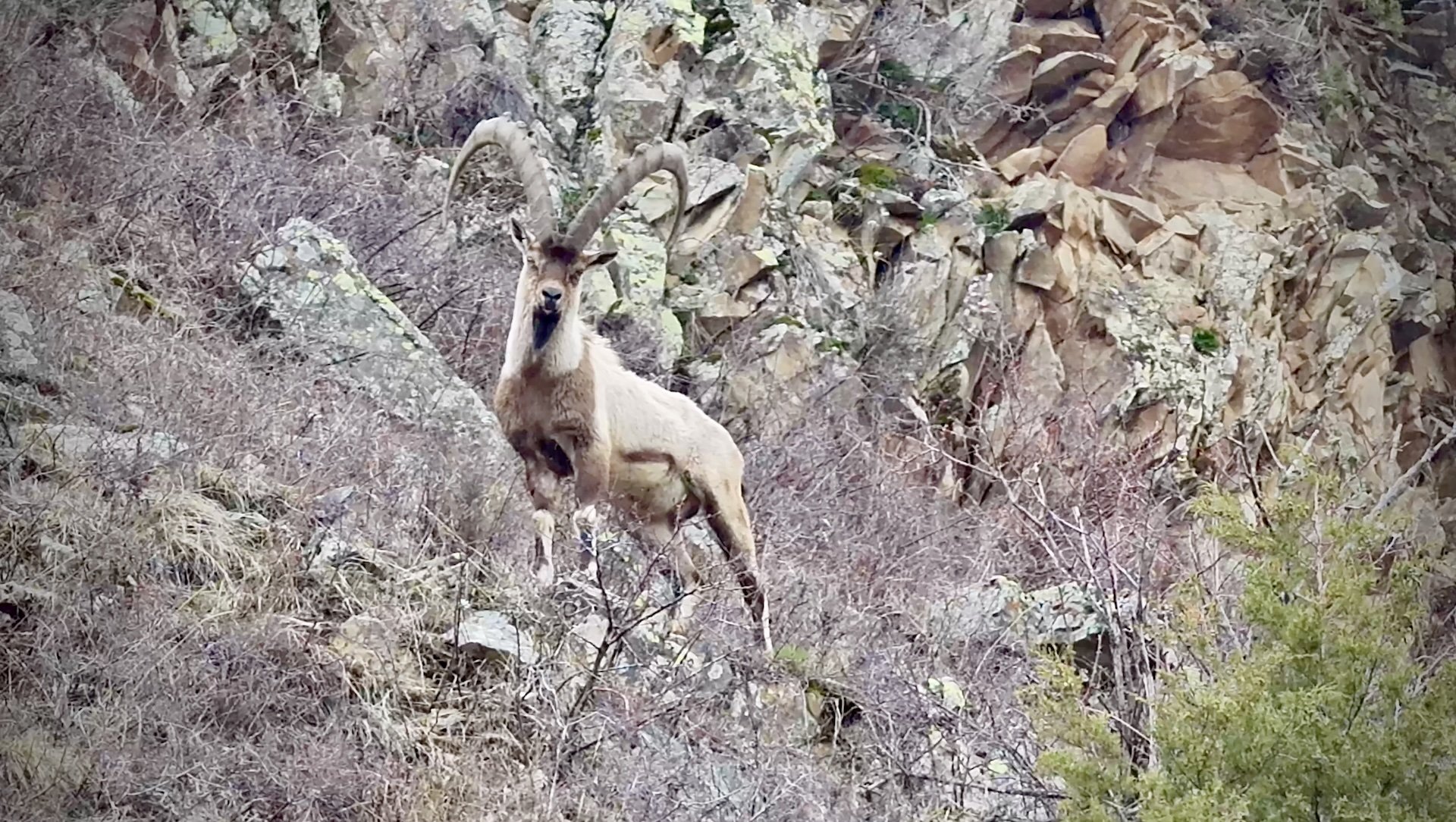
Bezoar Ibex, once populated the Greater and Lesser Caucasus Mountains of Georgia by the thousands.
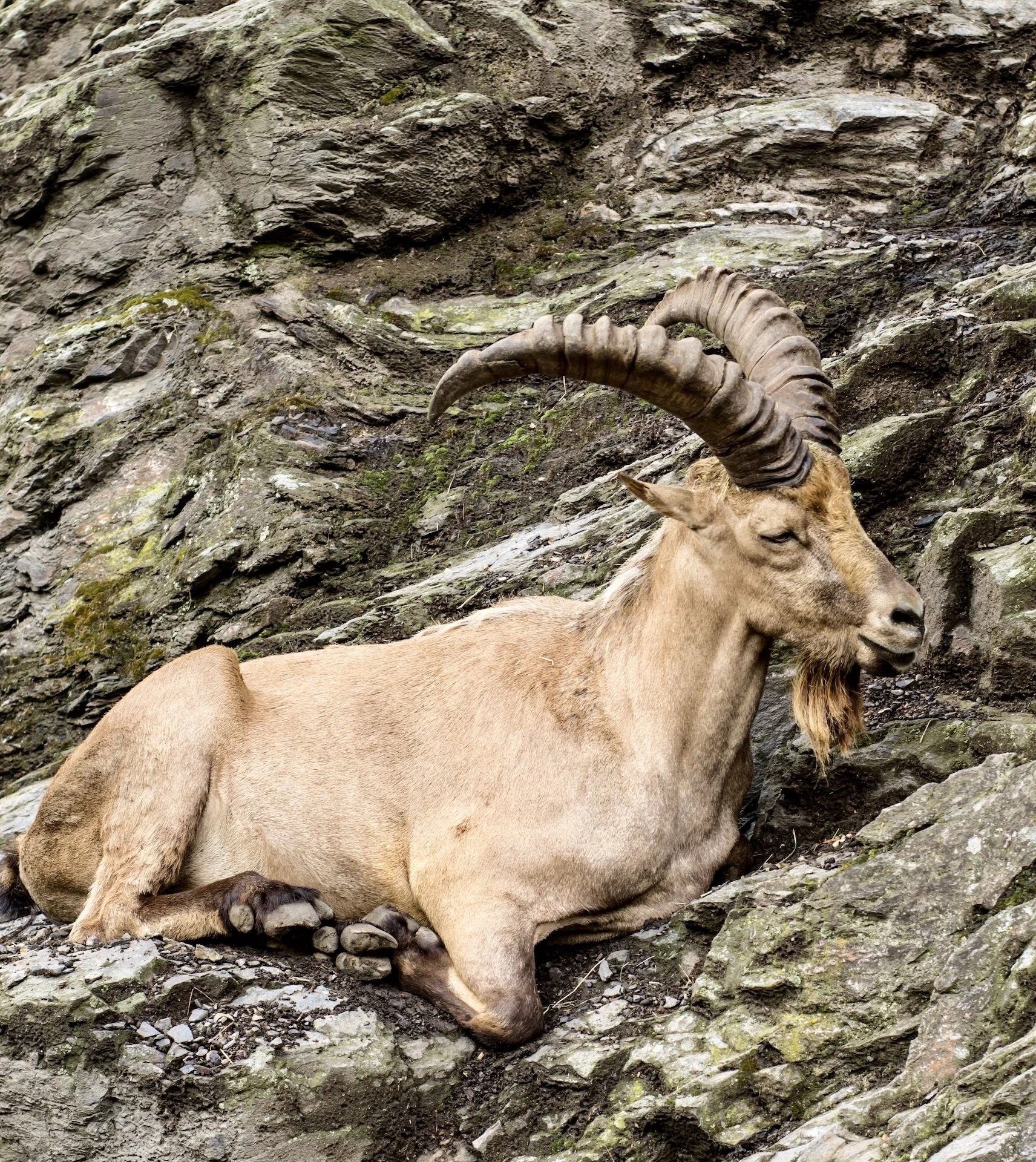
West Caucasian Tur number less than 100 in the Caucasus mountains of Georgia.
The Moment Wild Giants Began
I started Wild Giants because the Caucasus is a place worth defending. It is a place worth restoring. And while the idea for Wild Giants started before I ever set foot in the region, it wasn’t until I went there that the fire was lit. Having lived in Europe for 6 years, I had the chance to visit more than 20 countries during my time there. In a continent with history as old as time, the development and encroachment of “civilization” has devastated most traces of the wild. Driving through country after country, where the forests are manicured and swept and the wildlife are pushed to the corners, the idea for Wild Giants was born. Wild Giants exists to Restore the Heart of the Wild, and that heart beats strongest through the majestic wildlife of a place. What if we could do something to rewild these tame places, and bring back the animals that once roamed freely? What if we could build a system that creates harmony between man and animal, allowing people and wildlife to benefit from one another?
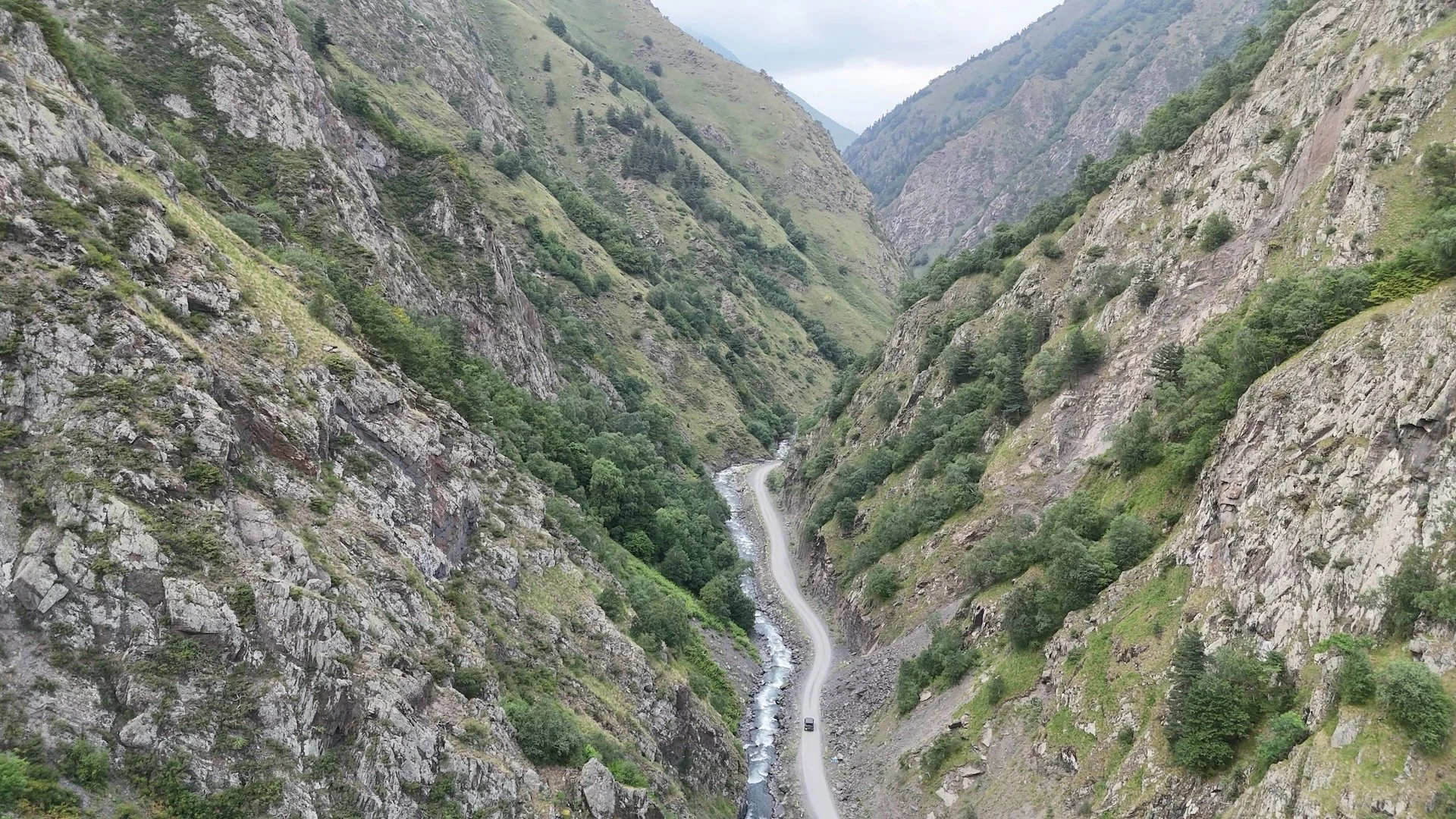
Deep inside Khevsureti National Park, looking for the last remnant herd of Bezoar Ibex in Georgia.
A New model for restoring the wild
Wild Giants exists to restore wildlife and wild places through real, on-the-ground action. A new rewilding driven approach grounded in measurable impact. We are building a long-term model that combines wildlife restoration, local partnership, and sustainable revenue streams so that conservation is not just impactful, but durable. This will be a sustainable wildlife conservation model designed to scale.
One of the last places where restoration is still possible
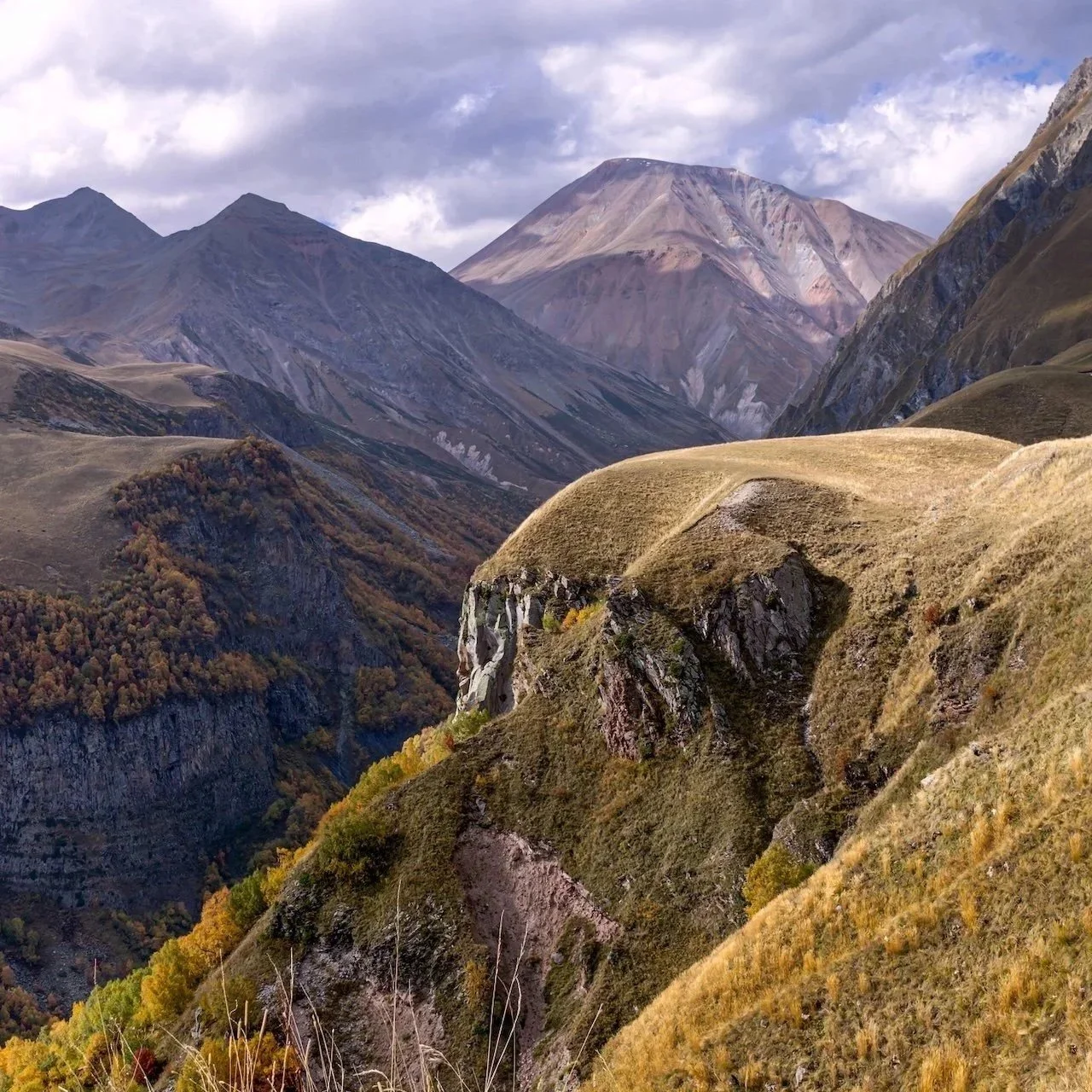
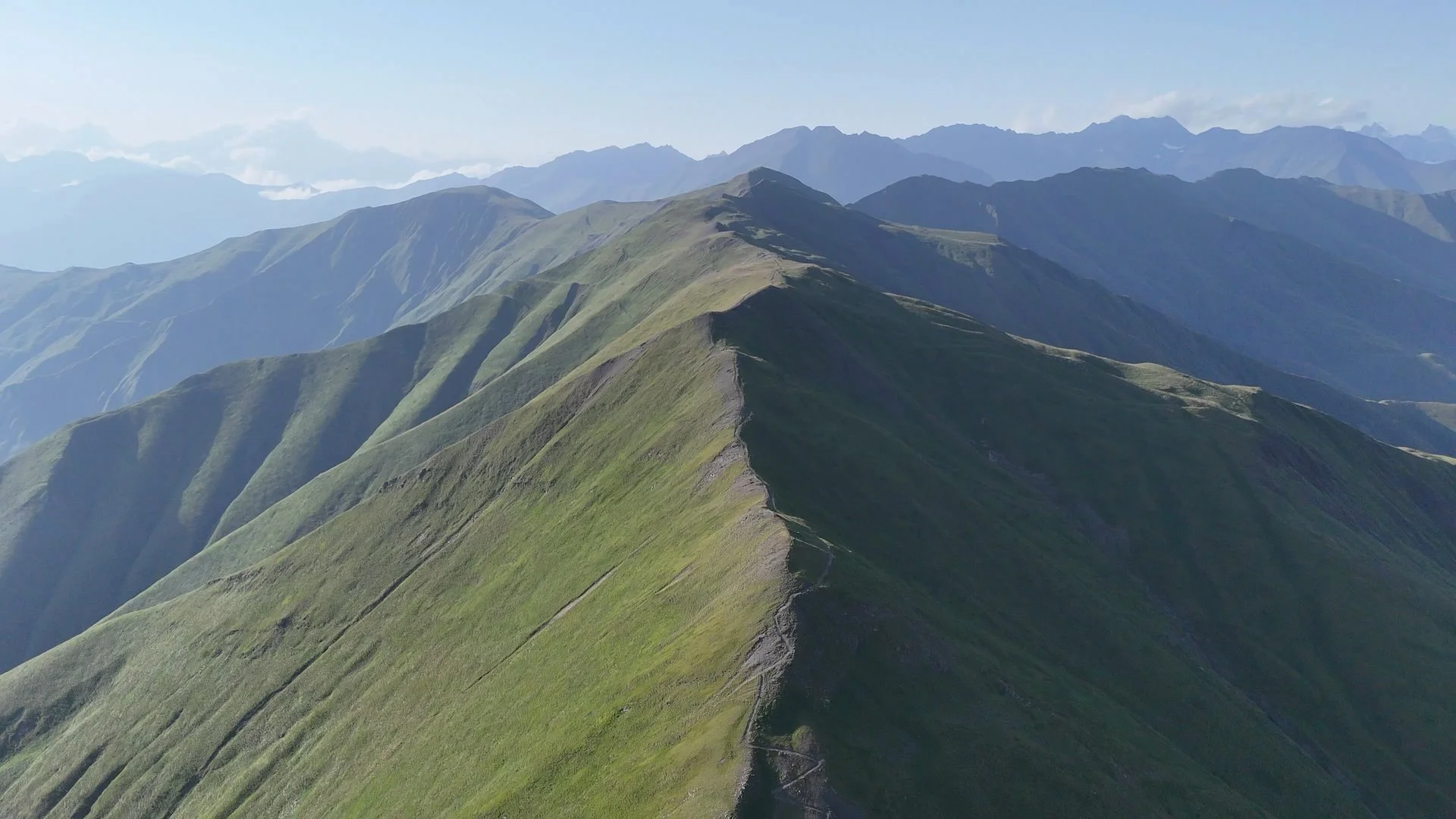
The Caucasus are beautiful, rugged and empty of wildlife. It’s time to restore its beating heart.
Wildlife restoration is about proving that people can be part of renewing the wild rather than consuming what is left of it. It is about refusing to accept that decline is inevitable. In a world where so many places are already too deeply fragmented, over-populated, or bureaucratically entrenched to make a difference, the Caucasus offers a real chance to restore wildlife on a meaningful scale through targeted wildlife restoration programs.
Where Conservation And Community Align
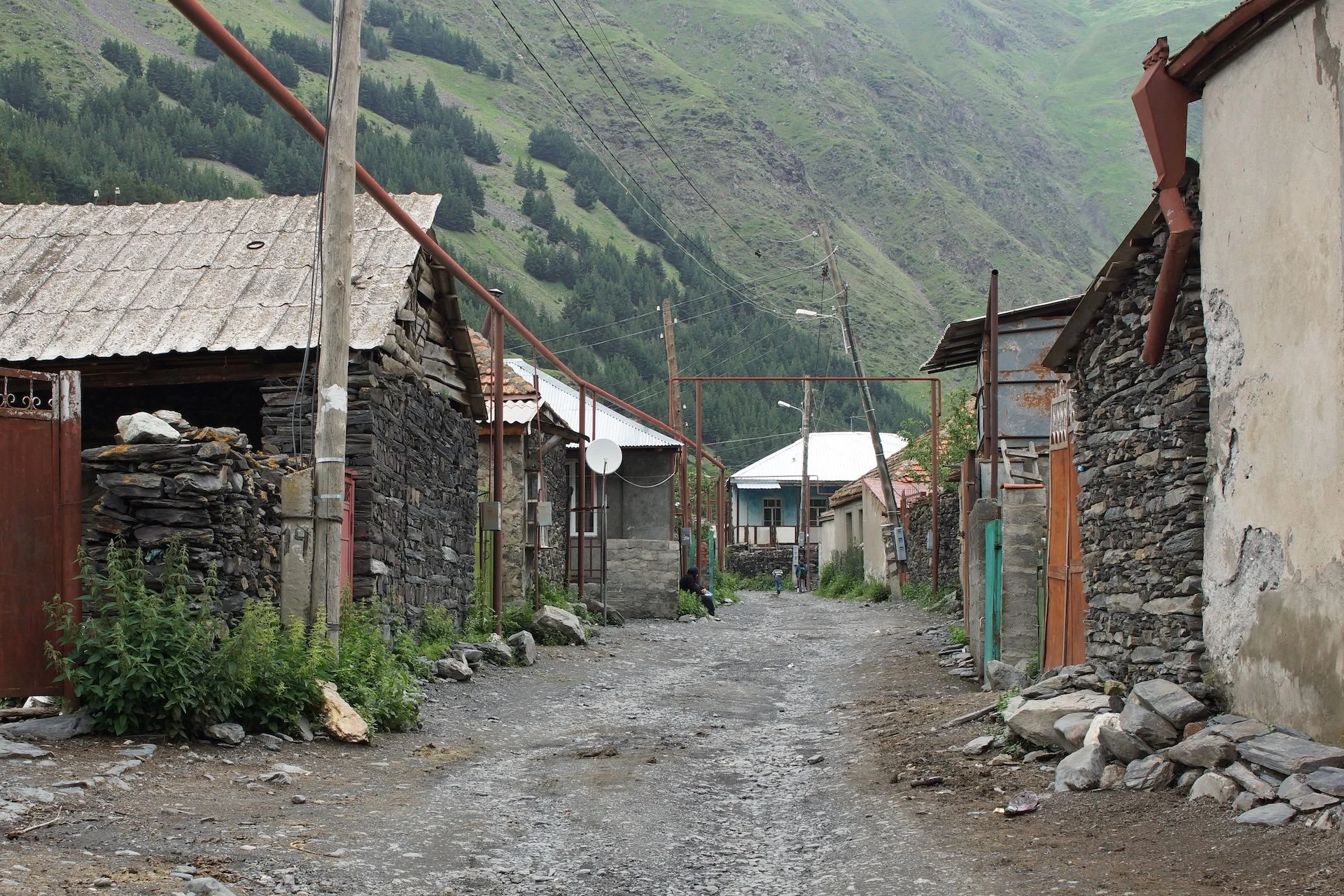
A typical mountain village. Life is hard here. We will be bringing opportunity for these communities to benefit and engage them as partners in rewilding conservation.
As an organization and as people, our north star is to bring flourishing to the created order, and to create opportunities for people to enjoy and revel in that creation. In the false dichotomy between idealism and pragmatism, we realize that success can only come when we embrace both. We hold deep respect and reverence for wildlife and nature. We want each animal and each species to thrive throughout their native ranges. We are also convinced that when local communities see great benefit, financially and otherwise, from the natural world around them, they will be its most ardent defenders. We believe that tools such as eco-tourism and ethical sustainable hunting conservation hold the keys to reversing the trend of wildlife collapse throughout the Caucasus. We also believe that “conservation” only works when there is something left to protect. When populations have plummeted, or have been extirpated entirely, a more proactive approach is needed.
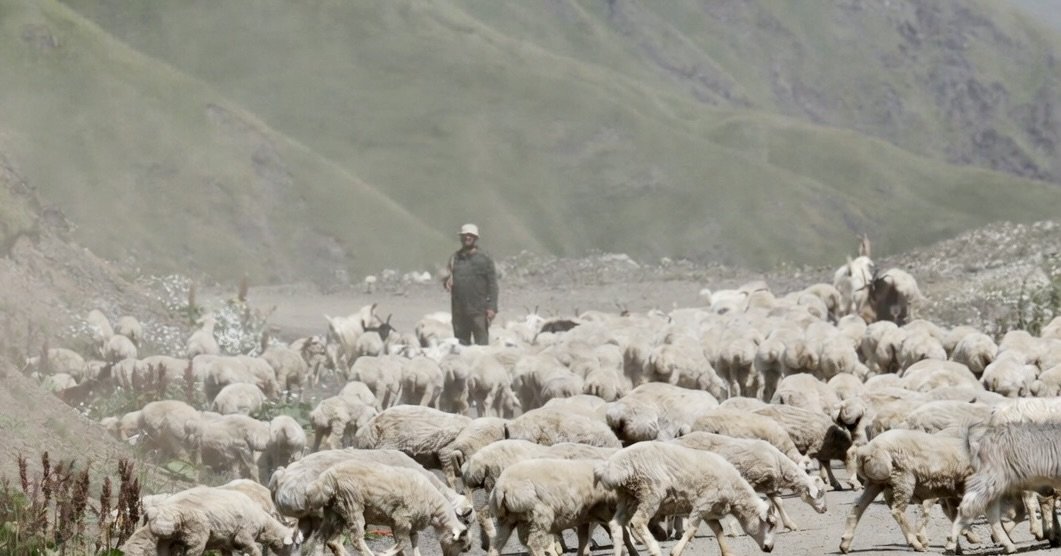
The people who live in the remote areas of Georgia depend upon the land for survival. Herding sheep has been the main livelihood here for thousands of years.
More Than Conservation – Restoring What Has Been Lost
Wild Giants Conservation Fund is more than an organization. It’s more than conservation. It’s an ideal that wild places should feel wild. In a sanitized, hyper-developed world, true wild places are becoming more and more rare. We believe that the spirit of the wild is lived and breathed in the wildlife. In landscapes across Europe, Asia, and the Middle East, that spirit is flickering. In countless places, wildlife populations have been decimated, and in many of them, few are doing the hard work of restoring what has been lost. I started Wild Giants to change that. To make wild places wild again, one animal at a time.
For Those Who Refuse To Accept Decline
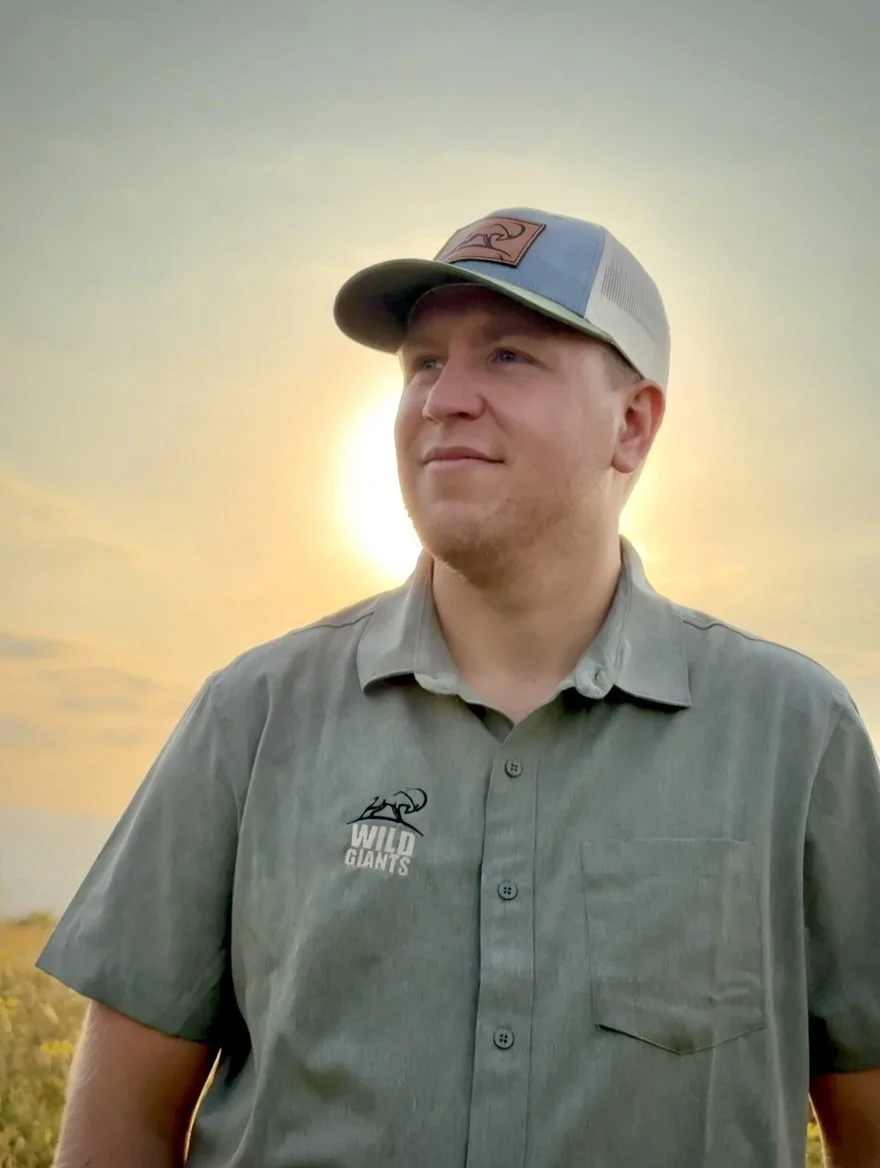
Wild Giants is for people who aren’t content to sit around and talk. It’s for people who believe that decline isn’t the final word. We are a group of builders who are rolling up our sleeves and getting our hands dirty, committed to making a difference in a place that is worth the effort. If that is you, we want you with us. Join us as we build a new model of wildlife conservation and restoration. Whether you give, partner, share our story, or open doors, help us restore wildlife across the Caucasus for generations.
Tanner Tripp,
Founder & Executive Director, Wild Giants Conservation Fund
FAQ
-
The Caucasus is a region situated at the crossroads of Europe and Asia, between the Black Sea to the west and the Caspian Sea to the east. It includes countries such as Georgia, Armenia, and Azerbaijan, as well as parts of southern Russia. Known for its rugged mountain landscapes and exceptional biodiversity, the region is one of the world’s most important ecological and cultural crossroads.
-
Wild Giants combines active wildlife restoration with self-sustaining economic systems to create lasting impact. By focusing on breeding and reintroducing key species, partnering with local communities and reinvesting revenue back into the ecosystem, the model is designed to scale, reduce dependency on ongoing funding, and deliver measurable, long-term results.
-
Conservation succeeds when local communities benefit directly from wildlife. When animals create economic value, they become assets worth protecting.
-
Breeding and rewilding accelerate wildlife recovery by actively rebuilding populations where natural recovery would be too slow or unlikely. By establishing healthy, genetically strong herds and reintroducing them into suitable habitats, this approach restores ecosystems faster, creates measurable results, and lays the foundation for long-term, self-sustaining conservation.