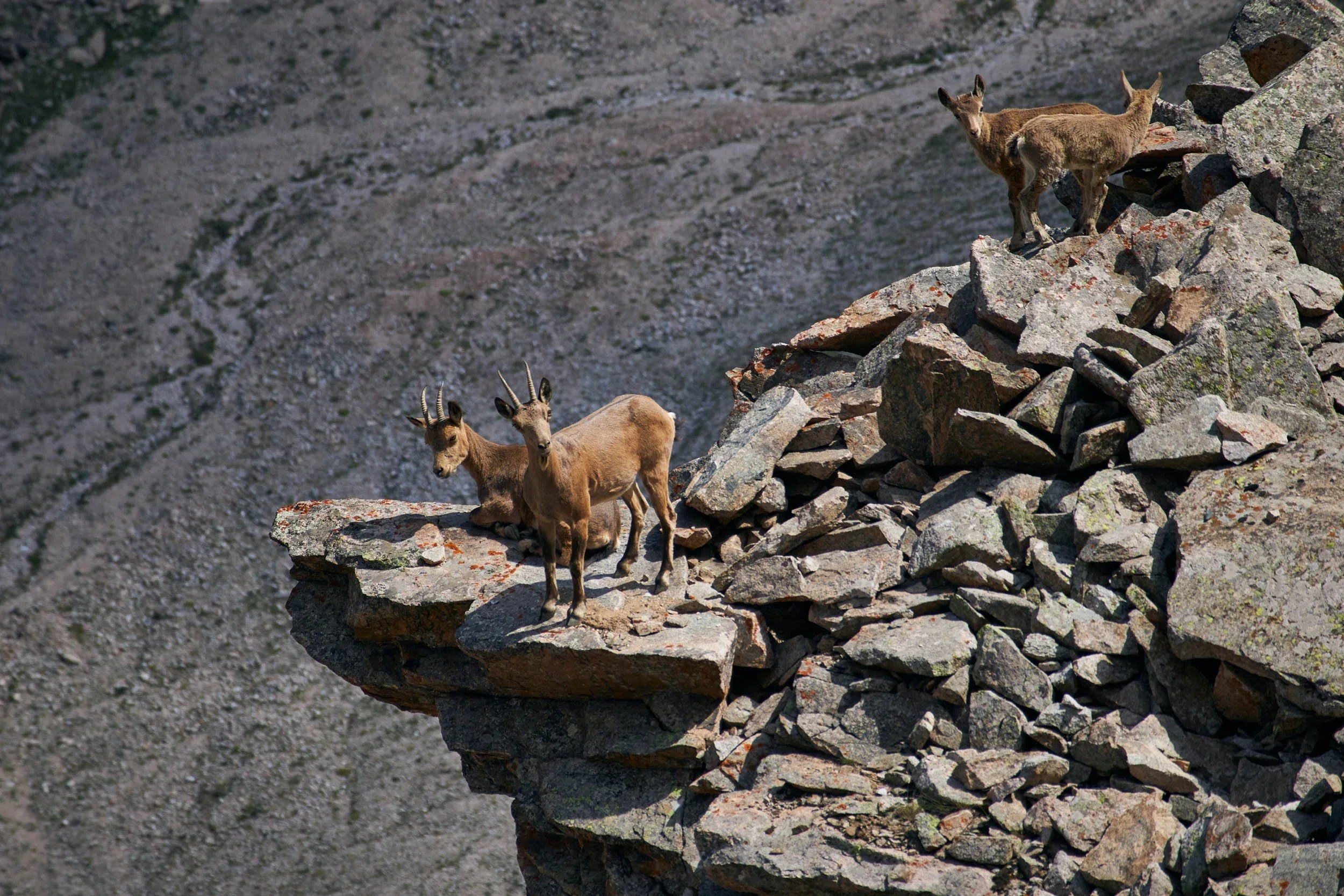
Wild Giants Caucasus is our non-profit under development in the Republic of Georgia. This our first boots-on-the-ground program in Central Asia. From this base in the Caucasus, we are building the infrastructure to breed and rewild iconic wildlife native to this region and create economic benefit for local communities.
MEET THE GIANTS
BEZOAR IBEX
East CAUCASIAN TUR
WEST CAUCASIAN TUR
PERSIAN LEOPARD
ARMENIAN MouFLoN
Armenian mouflon (Ovis gmelinii) Photo: [Jean Ogden] / Flickr (CC BY 4.0)
CASPIAN RED DEER
The Mission Starts
We are proud to announce the acquisition of a 305-acre property in the Republic of Georgia, our first dedicated site for wildlife breeding and restoration in the Caucasus region.
Construction of a wildlife breeding facility will begin later this year. This center will serve as our regional headquarters and initially will focus on breeding Bezoar Ibex for reintroduction into their historic range.
This project is being developed in close collaboration with government partners and local communities to ensure long-term sustainability, economic alignment, and measurable conservation outcomes.
This milestone represents a critical transition—from planning to implementation—and sets the stage for restoring thriving wildlife populations in the Caucasus.
BEZOAR IBEX
Learn about the plight of the Bezoar Ibex and the plan to restore them in the Republic of Georgia.
The People Of The Caucasus
Stretching between the Black and Caspian Seas, the Caucasus Mountains are one of the most biologically and culturally diverse regions on Earth. Across its rugged mountains and remote valleys live more than 50 distinct ethnic groups, each with their own language, traditions, and identity shaped over thousands of years.
Many of these small communities live much as they have for generations—herding livestock across alpine pastures, farming small plots of land, and maintaining deep ties to the landscapes around them. Life here is resilient, self-reliant, and rooted in tradition. But it is also economically fragile. Opportunities are limited, and younger generations are increasingly forced to leave in search of work.
At Wild Giants, we believe conservation cannot succeed without the support of local people. The same landscapes that support iconic wildlife are home to these communities, and their future is inseparable from the future of the land.
By restoring wildlife populations and creating sustainable economic opportunities through conservation, we aim to partner with local people—ensuring that both wildlife and communities not only survive, but thrive.
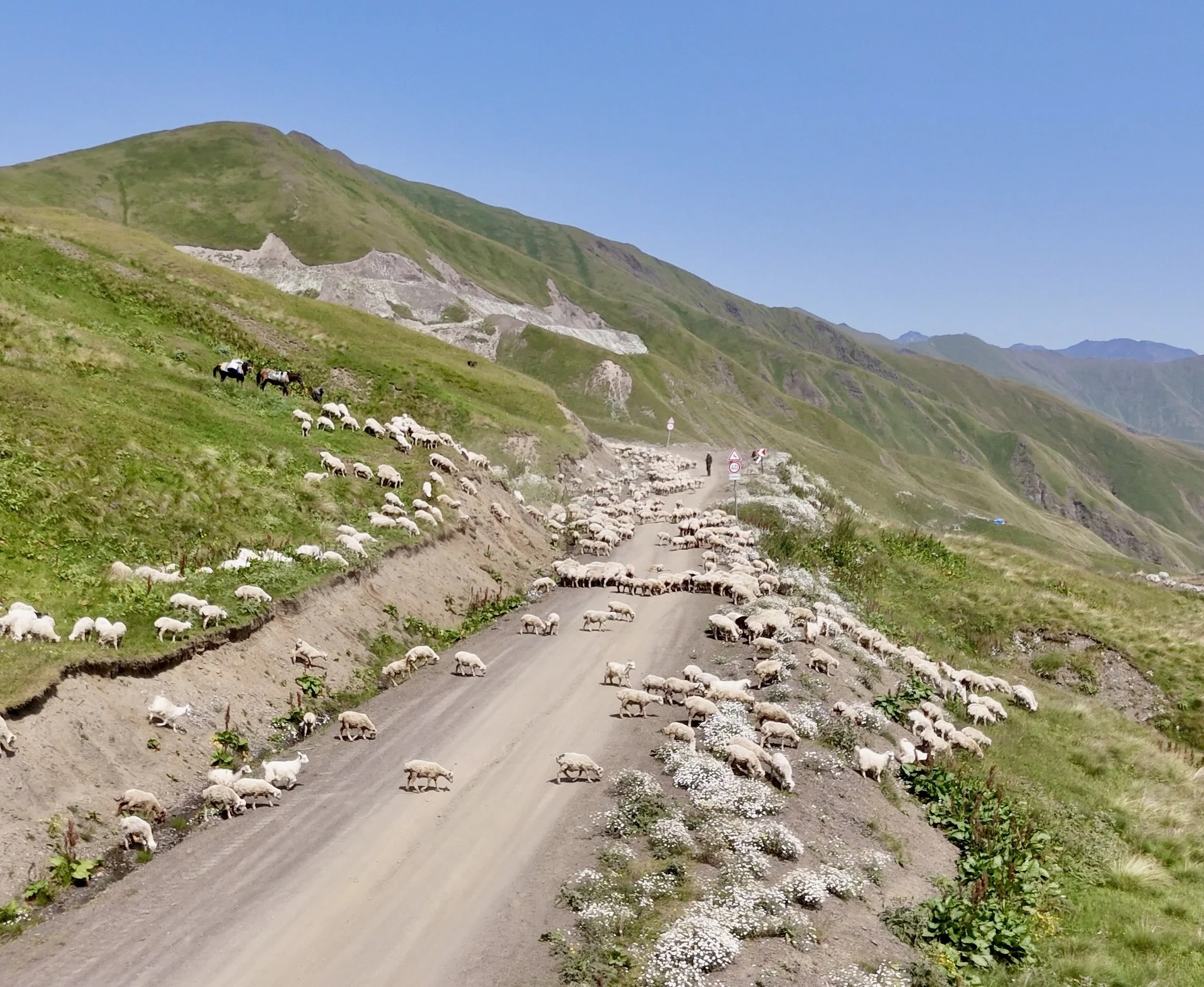
Shepherds in the Caucasus highlands, where traditional livelihoods and wildlife share the same terrain.
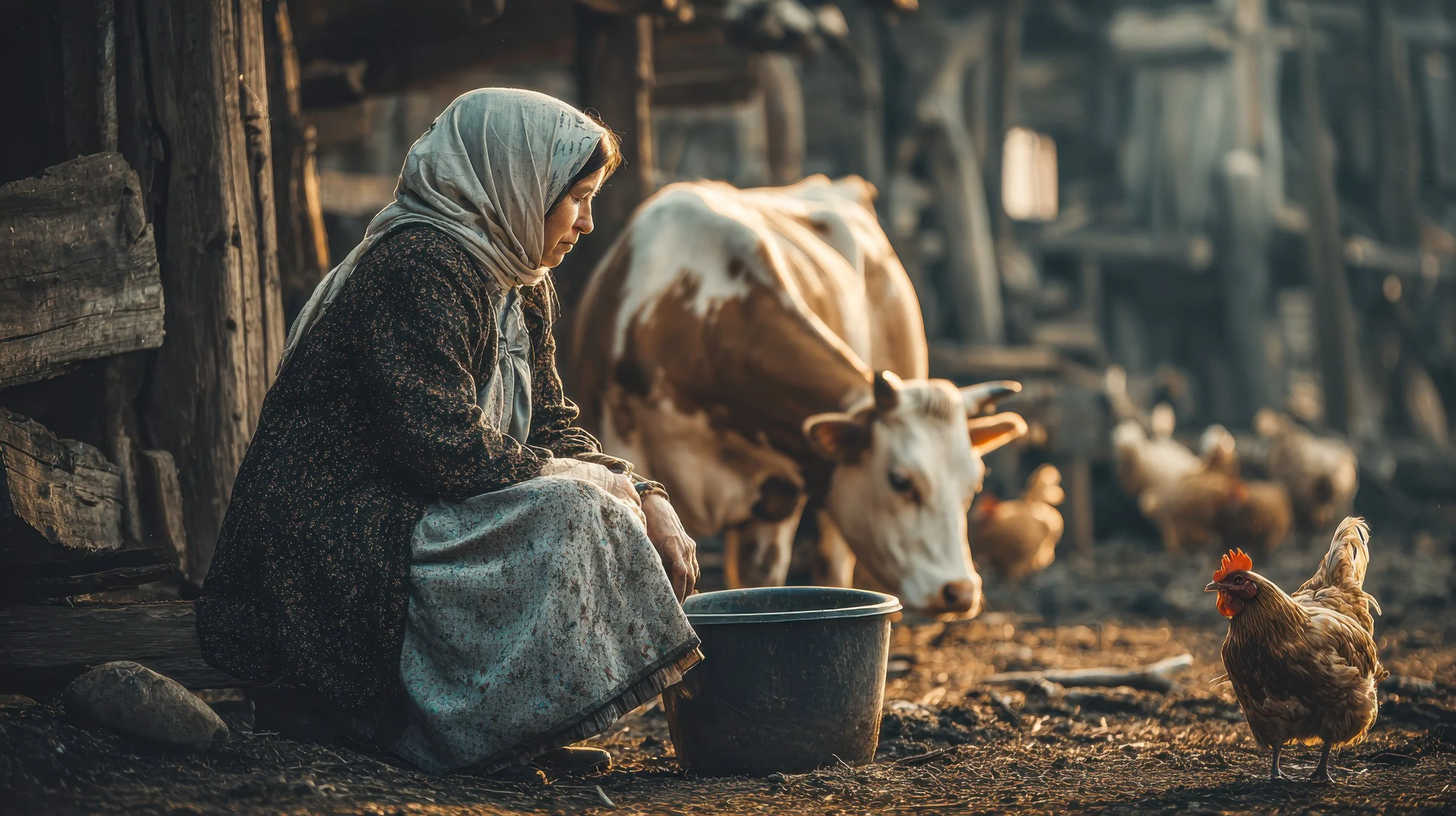
Life here is shaped by the mountains—where restoring wildlife also means strengthening the people who call it home.
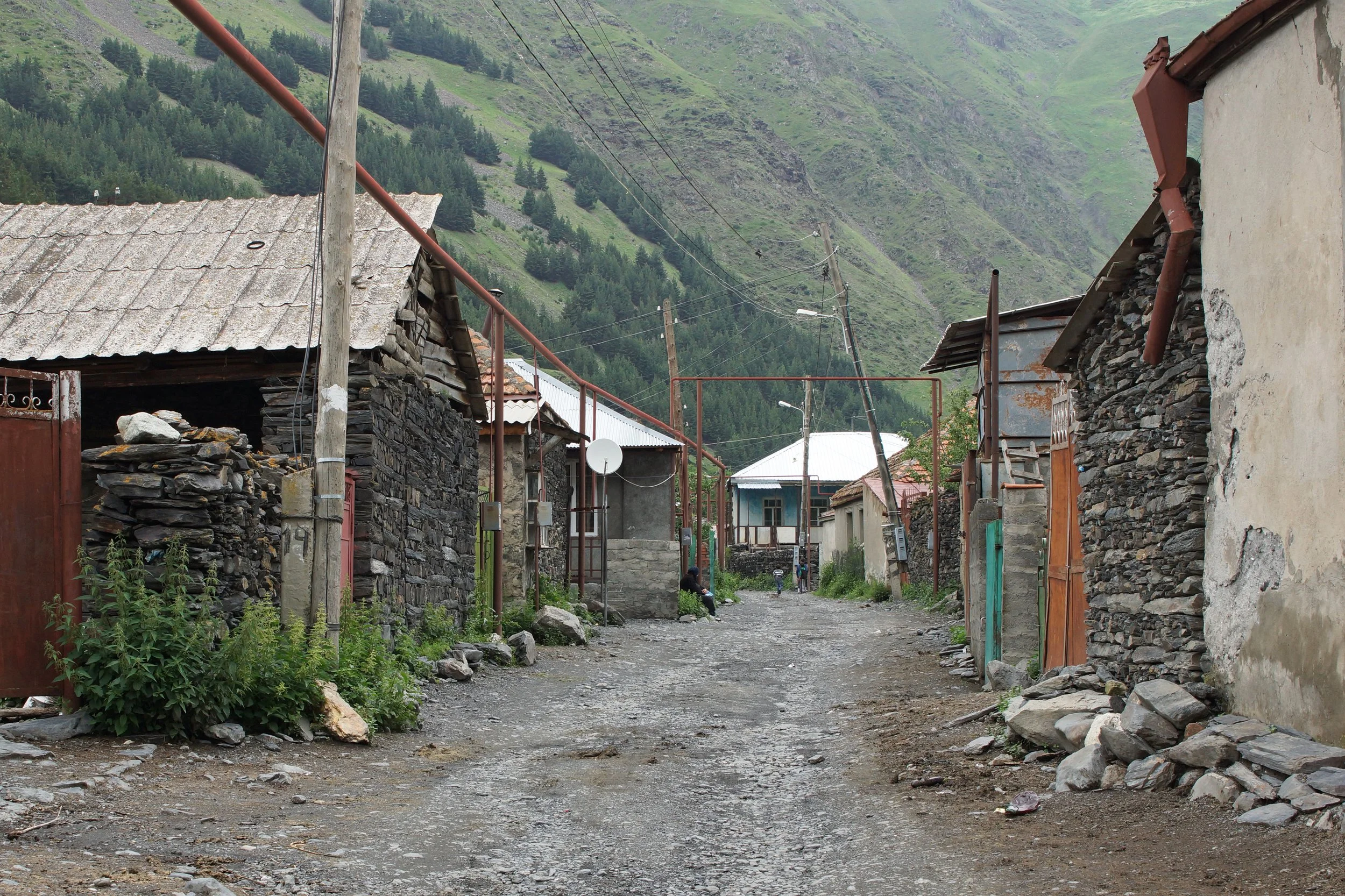
In remote mountain communities, generations have lived from the land—making them essential partners in conservation.
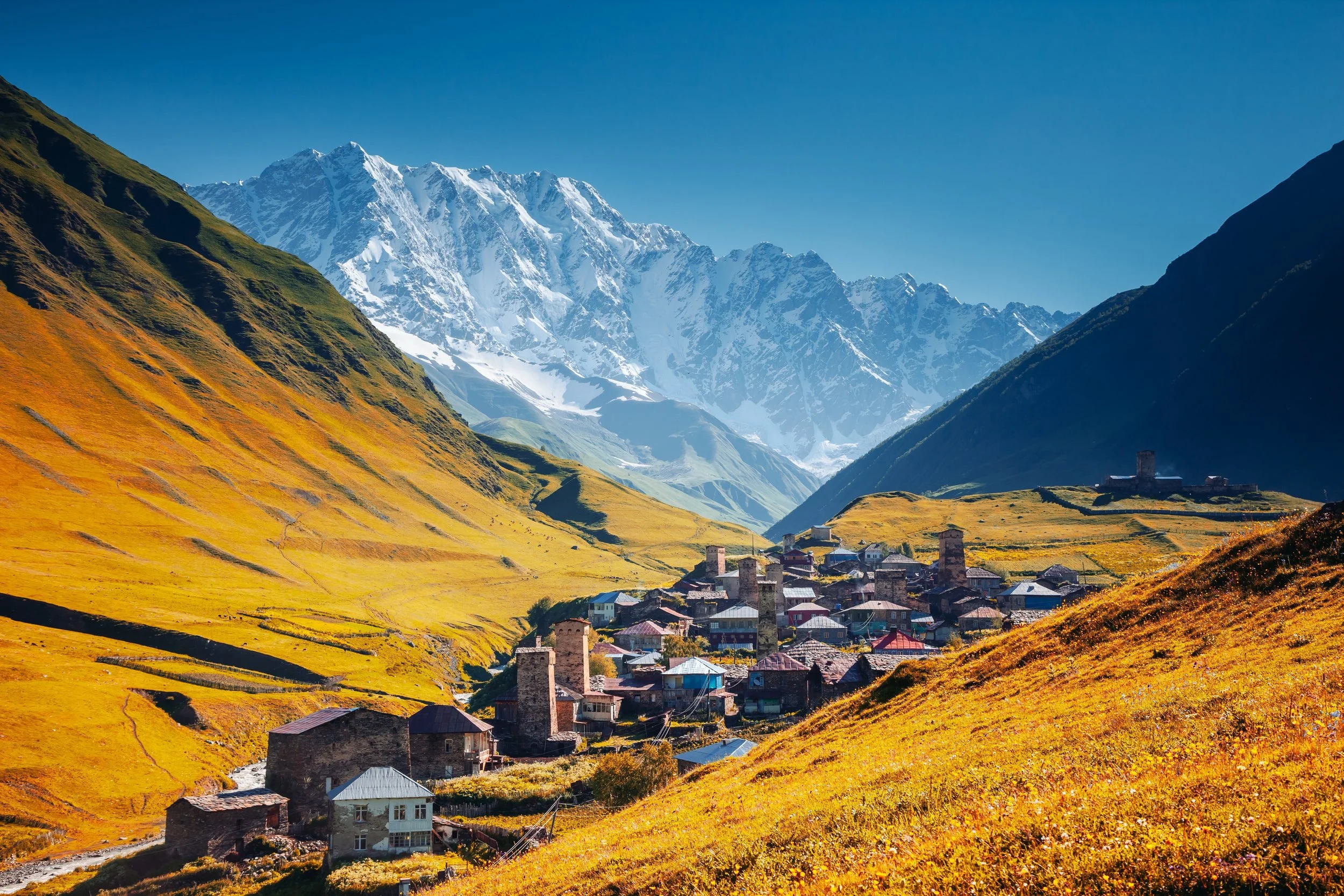
Remote villages like these sit at the edge of wild landscapes—where the future of people and wildlife are closely intertwined.
Frequently Asked Questions
Still have questions? Take a look at the FAQ or reach out anytime.
-
This land will serve as the foundation for a dedicated wildlife breeding and restoration site in the Caucasus. We will establish facilities to breed species like the Bezoar Ibex, Caspian Red Deer, Armenian Mouflon and the Persian Leopard. Their offspring will be used to reintroduce these species into their native ranges. Over time, the site will become a hub for scalable, self-sustaining wildlife restoration—supporting both ecological recovery and local economic opportunity.
-
Sustainable conservation creates direct economic opportunities for local communities through jobs, tourism, and conservation-based enterprises. As wildlife populations recover, they become valuable assets—providing ongoing income and creating strong incentives for long-term stewardship and protection.
-
Rewilding-driven conservation focuses on actively restoring wildlife populations to landscapes where they once thrived. Unlike passive protection, it combines species recovery with economic systems that support long-term sustainability and growth.
-
The Caucasus is one of the most biologically diverse regions in the world, where Europe and Asia meet. Its rugged landscapes support unique species found nowhere else, but many populations have been extirpated, are on the brink of genetic collapse or are at risk of disappearing from the region. This makes it one of the most important—and promising—regions for large-scale wildlife restoration.
-
The Bezoar ibex is a keystone species native to the region and well-suited for successful restoration. It reproduces effectively, adapts to rugged terrain, and plays a critical role in the ecosystem. Once there were thousands, but the population has been reduced to a few remnant herds, all on the brink of genetic collapse. Through breeding and rewilding we can rebuild healthy ibex populations while creating the foundation for broader conservation and economic impact.
-
Breeding and rewilding accelerate wildlife recovery by actively rebuilding populations where natural recovery would be too slow or unlikely. By establishing healthy, genetically strong herds and reintroducing them into suitable habitats, this approach restores ecosystems faster, creates measurable results, and lays the foundation for long-term, self-sustaining conservation.
-
Extirpation refers to the local disappearance of a species from a specific area where it once lived, while still existing elsewhere in the world. It is different from extinction, which means a species is completely gone globally.
-
Wild Giants deploys donations to build self-sustaining conservation systems—not just fund short-term activities. Contributions are invested into breeding programs, habitat restoration, and local partnerships that generate ongoing economic value. As these programs begin to produce revenue, they help fund their own operations and expansion, multiplying the impact of the original donation over time.