
Explore OUR Sustainable Conservation MODEL
Results-driven conservation where wildlife restoration generates its own momentum, and ultimately contributes to its own funding.

Maximizing donation impact
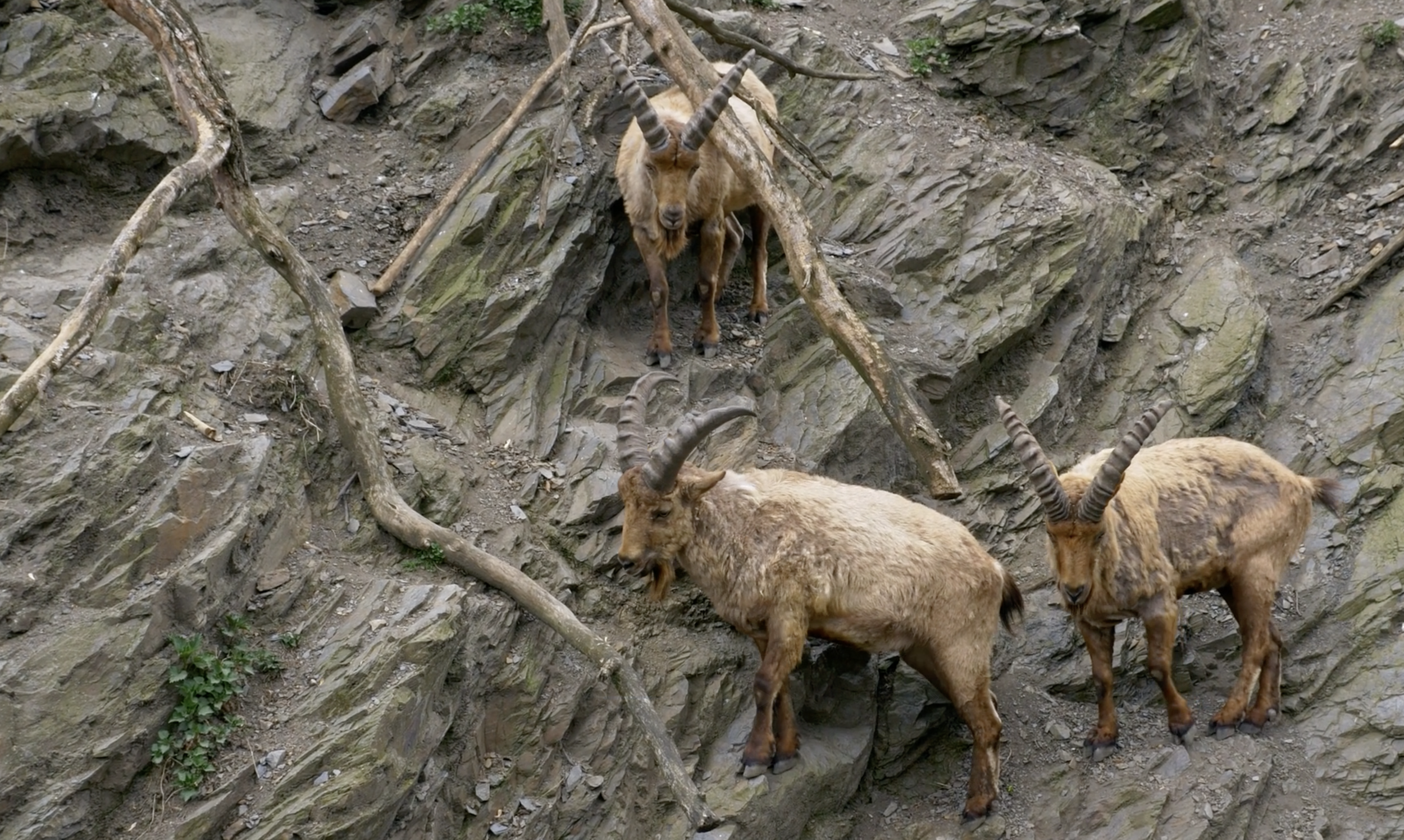
In Wild Giant’s new model for rewilding conservation, grants and donations don’t just disappear into overhead. Donations become investment capital that we deploy directly into on-the-ground wildlife restoration programs that are designed to generate their own revenue over time. This reduces long-term dependency on fundraising and ensures more of every dollar goes toward real conservation outcomes.
-
Rather than funding short-term projects, capital from supporters helps establish programs that remain financially viable for decades, continuously supporting wildlife restoration without constant reinvestment.
-
Investment into sustainable wildlife restoration creates economic value for local communities through sustainable hunting, ecotourism, and wildlife-based revenue, creating strong incentives for lasting stewardship.
-
As these programs begin to generate revenue, they expand and provide funding for additional breeding, reintroduction, and habitat restoration efforts without relying solely on new donations.
OUR DUAL IMPACT
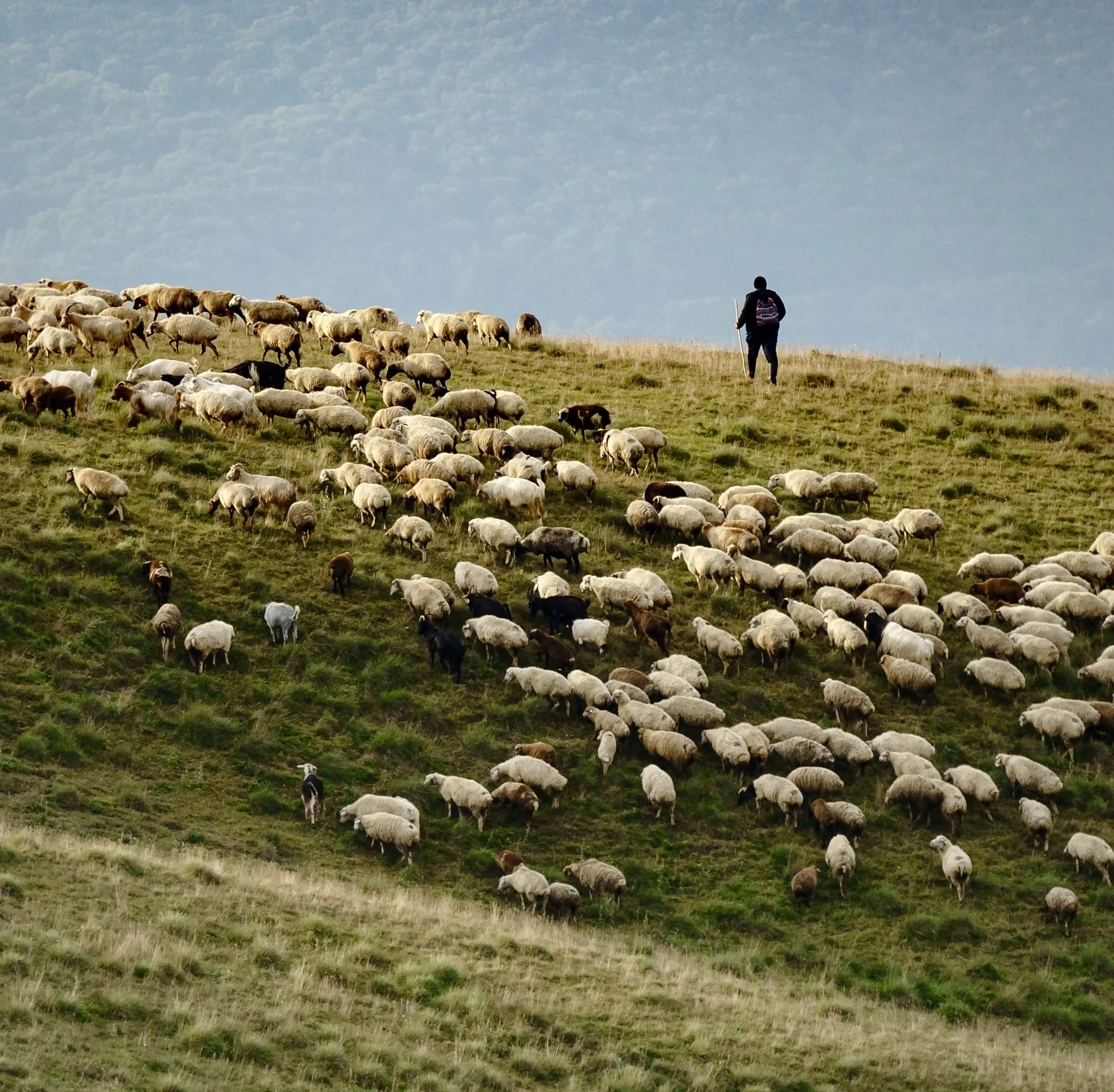
Conservation works best when it benefits both wildlife and the people who share the landscape. Community based conservation connects ecological restoration with economic opportunity and creates lasting incentives for local people to protect wildlife and their habitats.
-
Rebuilding populations of key species and restoring ecosystems is the starting point for opportunity.
-
Conservation and local communities benefit from sustainable economic opportunities tied directly to healthy habitats.
-
Communities become invested as active partners in protecting wildlife when they see real benefits.
how you can help
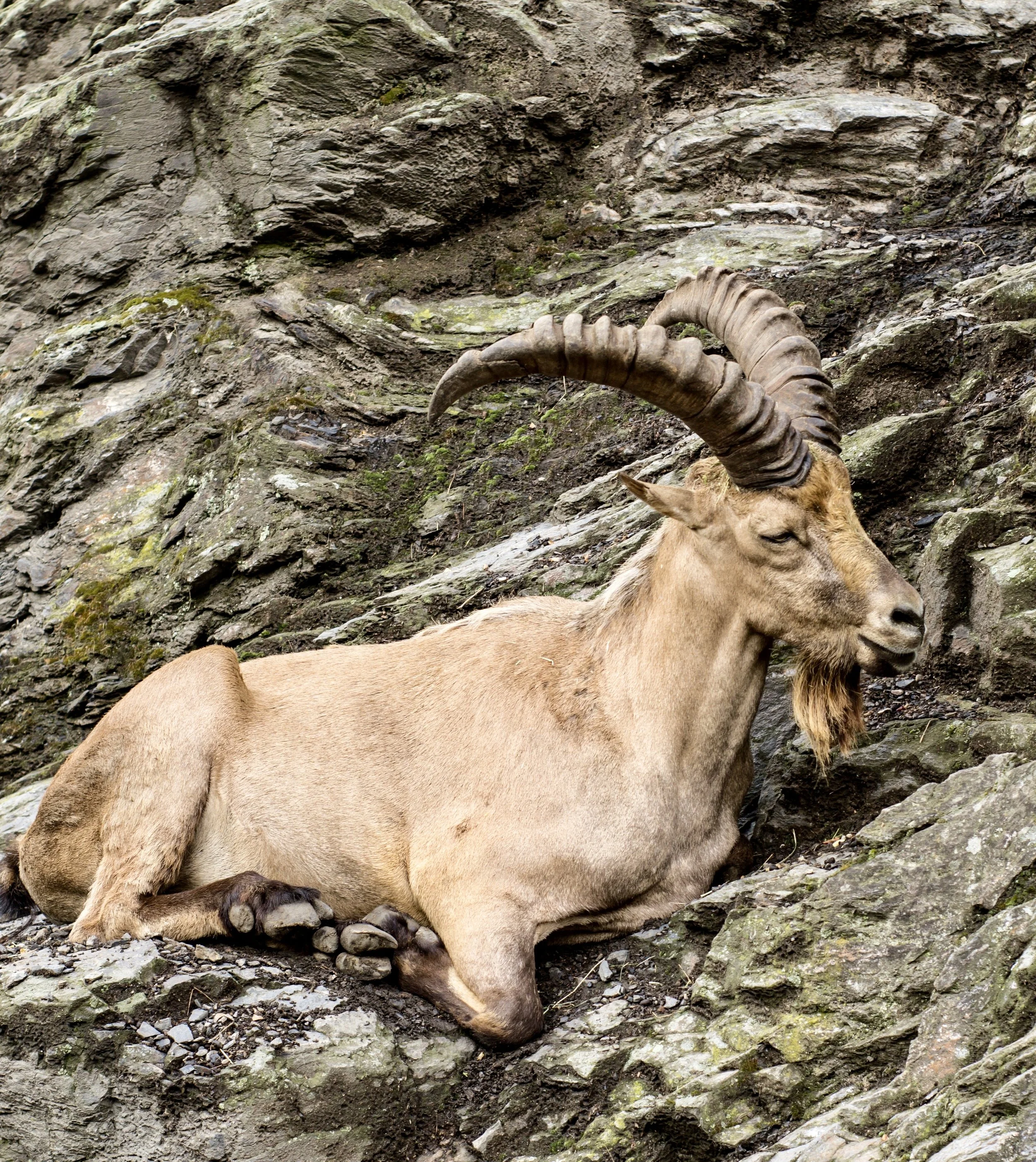
At Wild Giants, you can support the world’s most iconic wildlife while helping the communities that live alongside them. Explore our Caucasus Project to see the species and habitats we are actively working to restore and find the area where your donation can have the most impact.
TRANSPARENCY & ACCOUNTABILITY
Our reporting and updates let you know exactly how your gift is making a difference in the field.
2024
ANNUAL REPORT
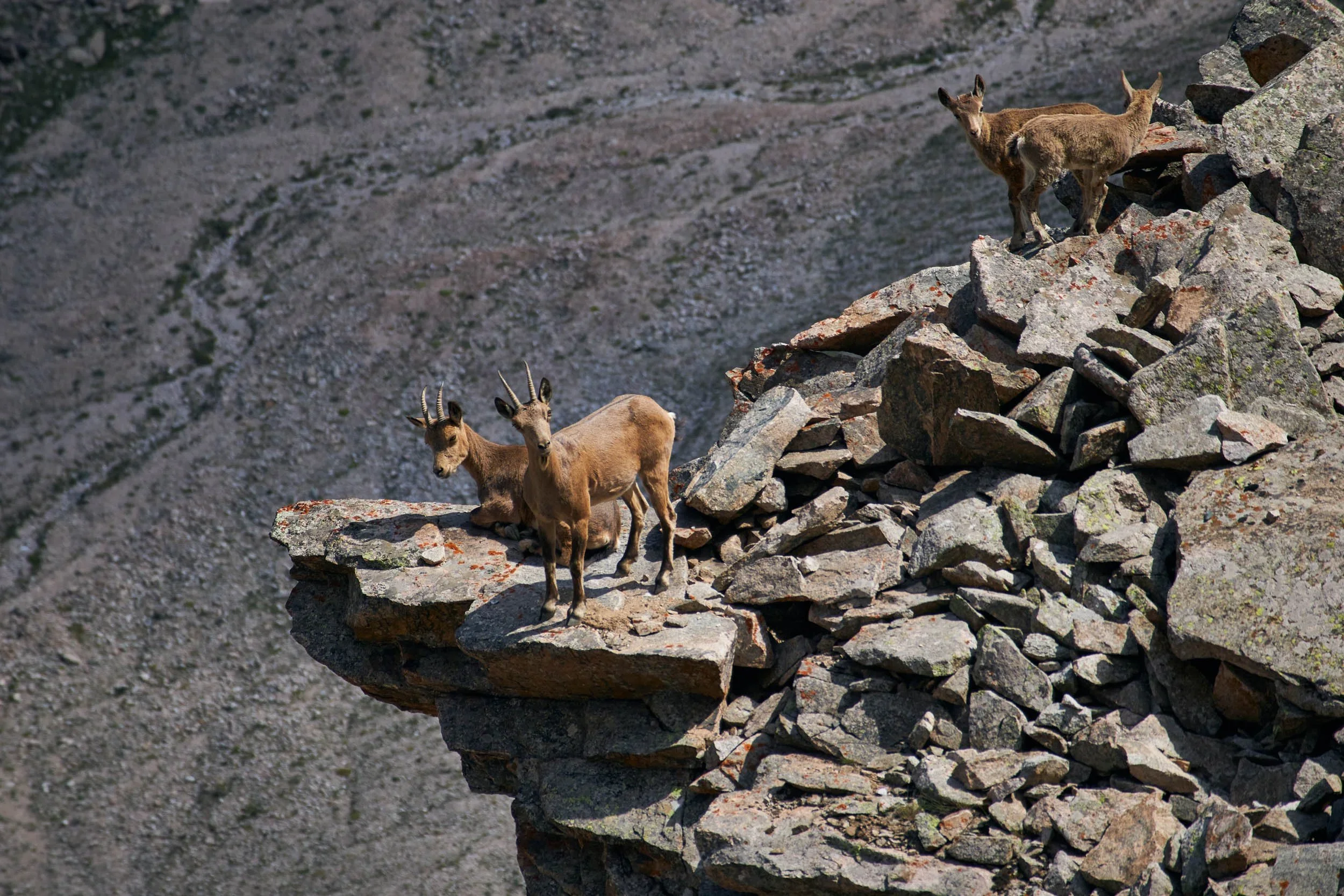
We’re committed to full transparency. This section provides access to annual financials and detailed reports so you can see exactly how your support is driving real conservation impact.
NEWS & STORIES
-

A forgotten wild at the crossroads of continents
Blog - 3 mins read
-
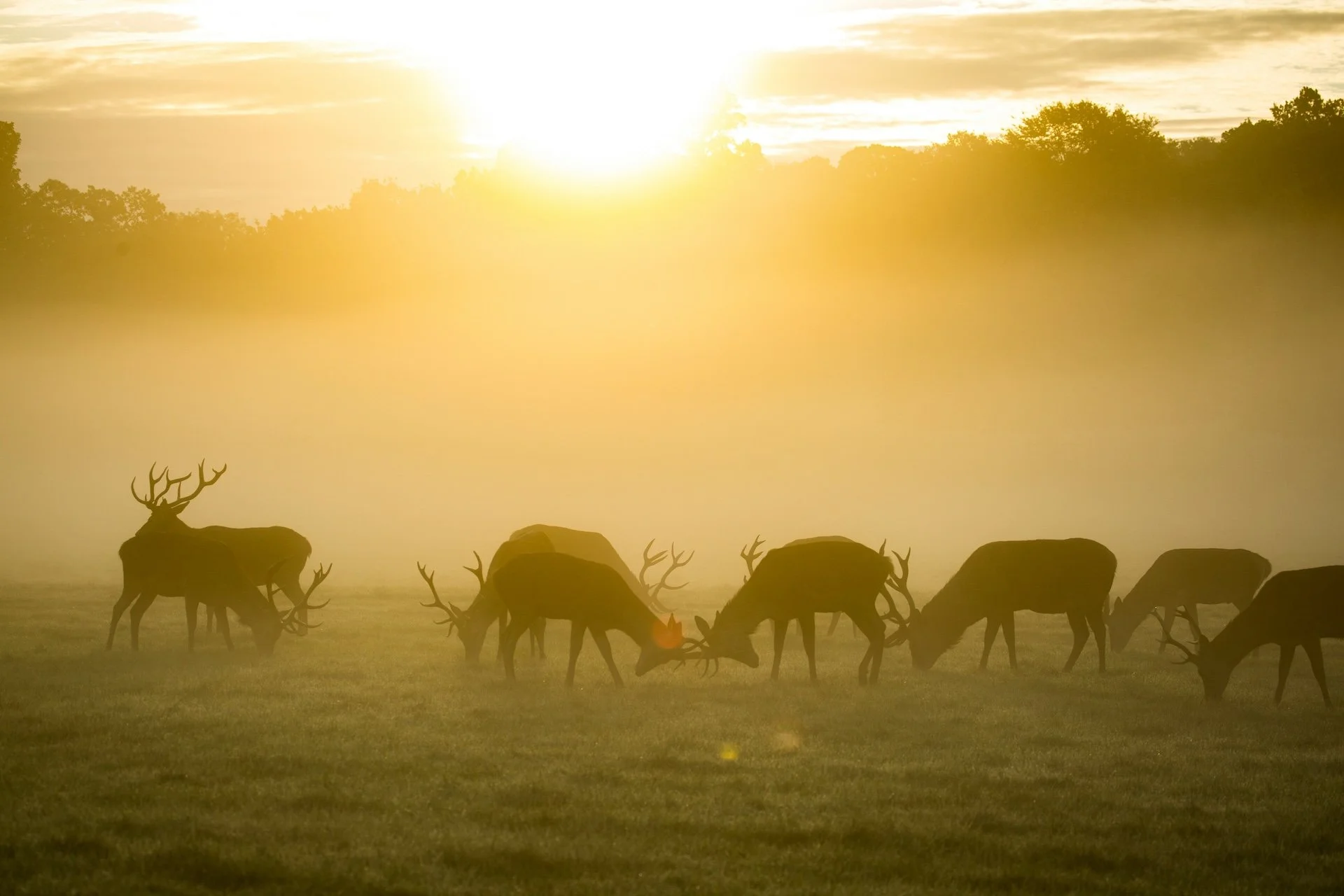
Why Conservation Must Pay for Itself
Blog - 3 mins read
-
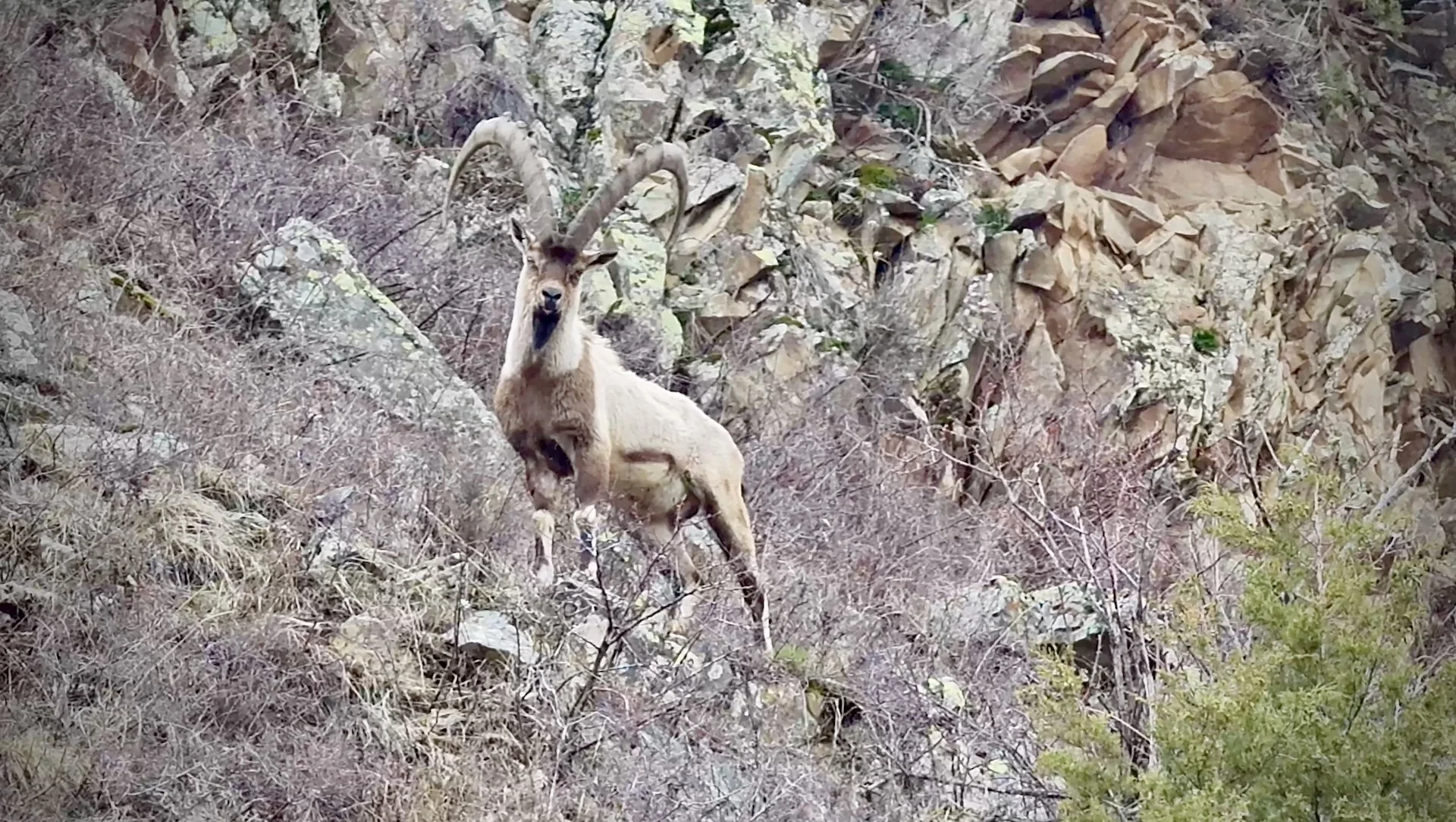
Conservation Through Hunting
Blog - 3 mins read
Frequently Asked Questions
Still have questions? Take a look at the FAQ or reach out anytime.
-
Donations are deployed as investment capital to build self-sustaining conservation systems—funding restoration efforts that generate ongoing revenue rather than requiring perpetual support
-
Wild Giants focuses on building self-sustaining wildlife restoration systems that generate long-term impact. We pair wildlife breeding with active rewilding, then build economic models that generate ongoing value that is reinvested to grow, scale, and sustain programs that benefit both wildlife and the communities behind them.
-
Conservation succeeds when local communities benefit directly from wildlife. When animals create economic value, they become assets worth protecting rather than liabilities.
-
Breeding and rewilding accelerate wildlife recovery by actively rebuilding populations where natural recovery would be too slow or unlikely. By establishing healthy, genetically strong herds and reintroducing them into suitable habitats, this approach restores ecosystems faster, creates measurable results, and lays the foundation for long-term, self-sustaining conservation.
-
In well-managed systems, a limited number of animals—typically older, non-breeding males—are harvested under strict quotas. The revenue generated funds anti-poaching, habitat protection, and local communities, while maintaining healthy wildlife populations. The revenue from a single animal will pay for the breeding and release of multiple additional animals.
BE A WILD GIANTS PARTNER
Your flexible donation allows WILD GIANTS to support the people and programs that protect our wildlife.