
Conservation Through Hunting
How Regulated Hunting Supports Conservation Programs for Endangered Species, Funds Rewilding Projects, and Builds Sustainable Wildlife Conservation Models

The Caucaus mountains of Georgia, a beautiful wild place devoid of wildlife.
The Question No One Wants to Ask
In the global conversation around wildlife conservation projects, few topics are as misunderstood as the role of hunting in conservation. For many people, the idea seems contradictory: how can the taking of an animal support conservation programs for endangered species? The answer lies in how hunting is structured.
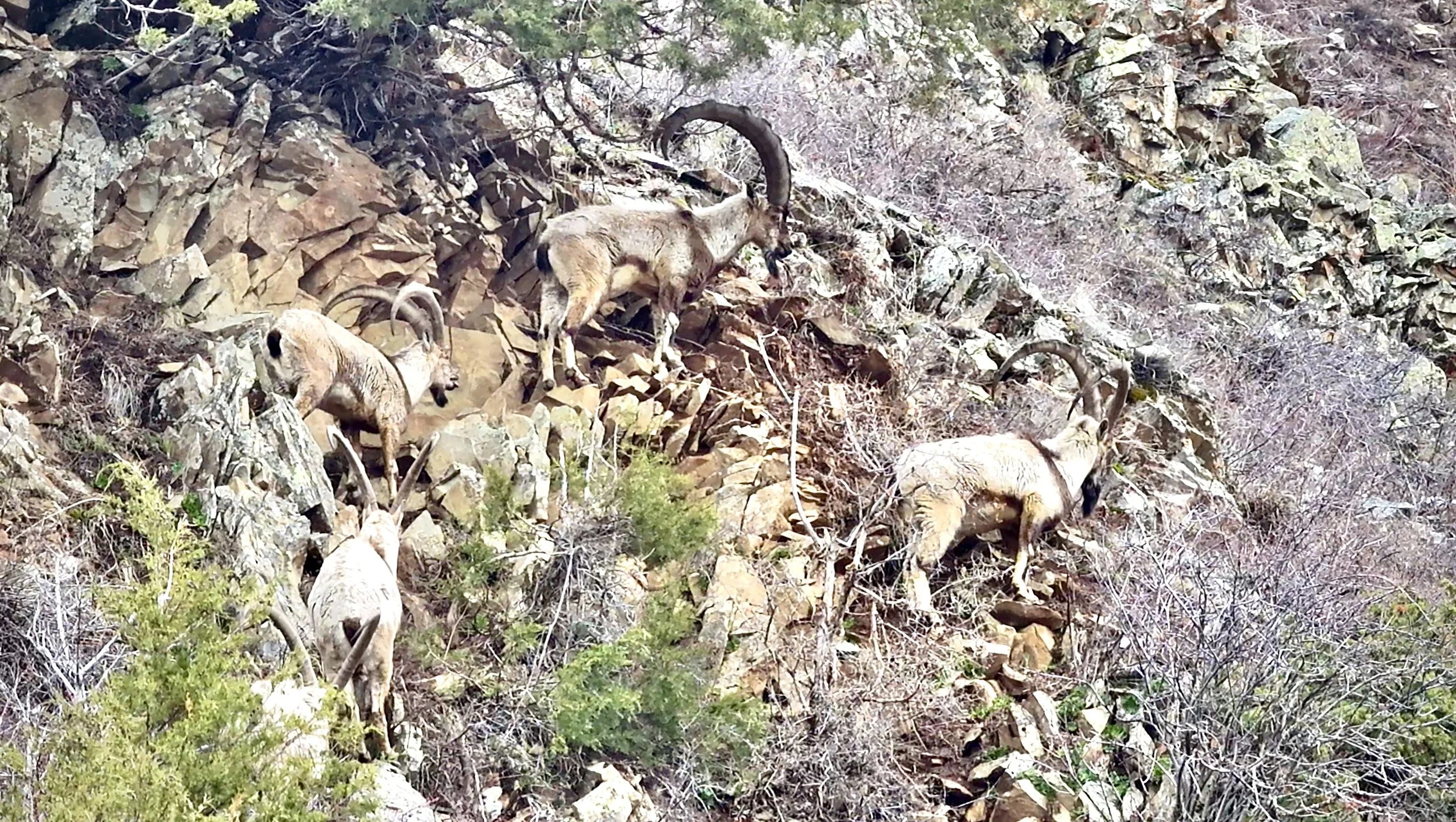
Bezoar Ibex have been reduced to remote fragments in the Caucasus Mountains of Georgia.
A Science-Based, Highly Regulated Approach
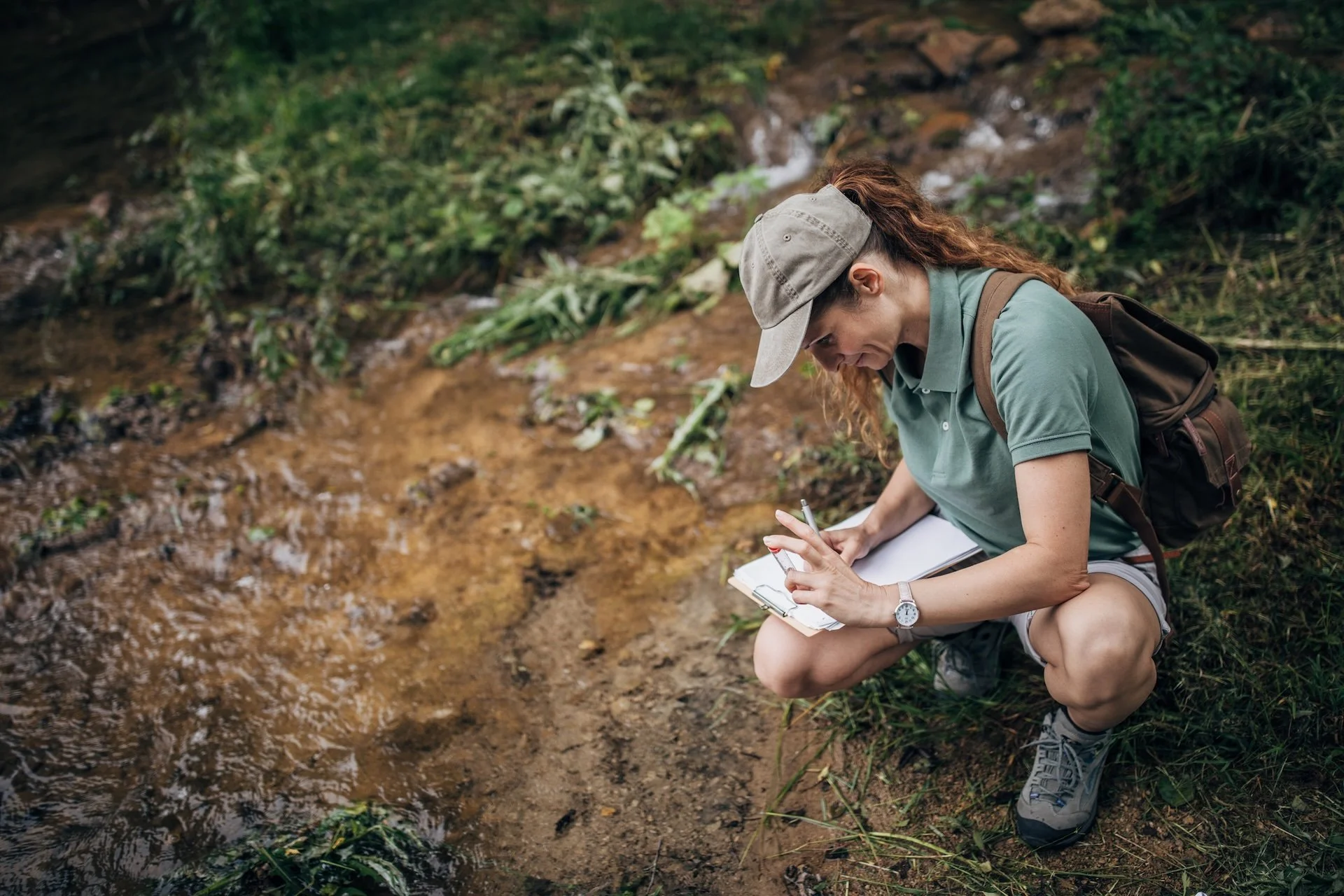
In-the-field assessment of herd size and age composition.
While unregulated hunting has historically contributed to wildlife decline, scientifically managed and strictly limited conservation hunting has, in many regions, become one of the most effective sustainable wildlife conservation models in practice. In these systems, only a small number of carefully selected animals—typically mature males beyond prime breeding age—are taken under strict quotas informed by wildlife monitoring data.
Where the Money Actually Goes
The revenue generated from these regulated hunts directly funds anti-poaching enforcement, habitat protection, wildlife monitoring, and local jobs, answering an increasingly important donor question: where do conservation donations go when funding must create measurable impact? In many cases, a single regulated hunt can generate more conservation revenue than months of tourism, creating a model in which a small number of animals help protect entire populations.

Using camera traps to monitor wildlife populations.
The Economics Behind Rewilding Success
This economic structure is especially powerful in rewilding projects and wildlife reintroduction programs, where restored populations require long-term financial support to remain stable and expand.
Hunting is a Tool—Not the Starting Point
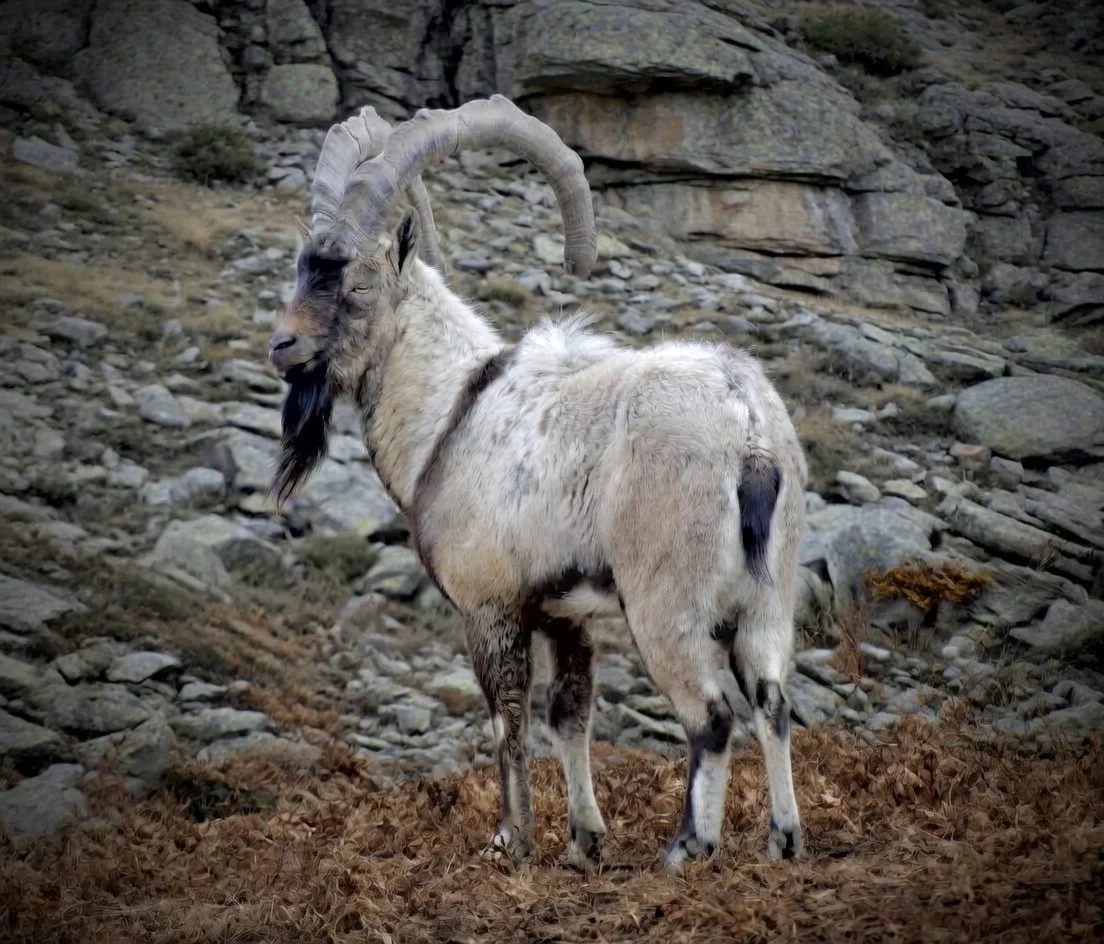
A mature Bezoar Ibex.
At Wild Giants, hunting is not the starting point of conservation—it is a strategic tool used only after rewilding driven conservation efforts have rebuilt populations, restored genetic strength, and successfully reintroduced species into native habitats. Once populations are healthy and scientifically assessed as sustainable, regulated hunting becomes one component of a broader conservation framework that includes breeding, restoration, community partnership, and ecological management.
The Real Turning Point: When Wildlife Becomes Valuable
This model also shifts how local communities view wildlife: instead of seeing animals as competition for land or threats to livestock, they become valuable assets worth protecting. That alignment of ecological and economic incentives is essential, because lasting conservation cannot be imposed externally—it must be supported by the people living closest to wildlife.

The people who live in remote villages are critical partners in creating rewilding success.
Built For Generational Impact
Hunting in this context is not a philosophy; it is one tool among many, used responsibly, guided by science, and designed to sustain wildlife populations for generations to come.
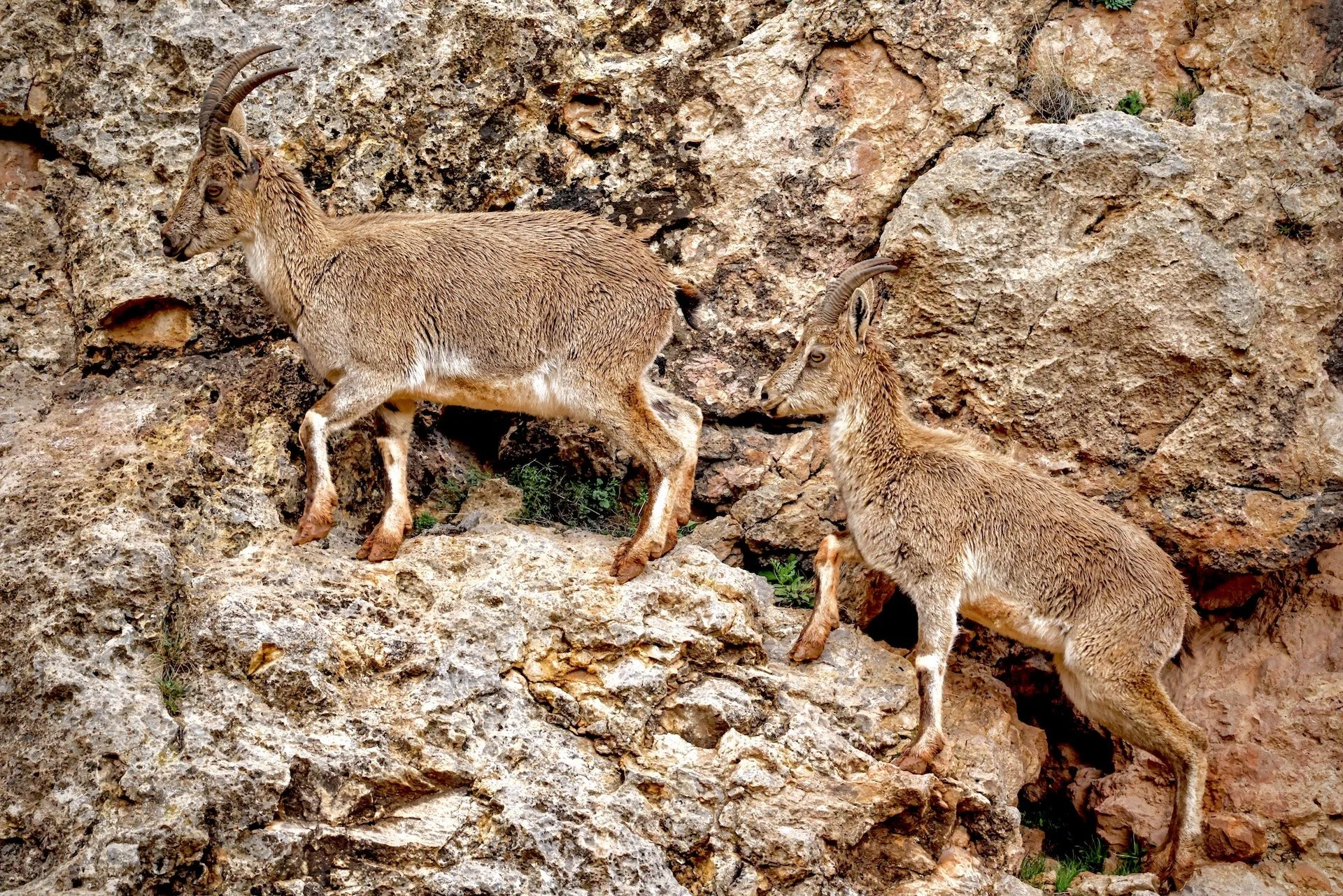
Young ibex in the Caucasus Mountains
At Wild Giants, we believe conservation requires every effective tool available—used responsibly, guided by science, and aligned with the long-term growth of wildlife populations.
FAQ
-
Sustainable conservation generates revenue through eco-tourism, conservation-based enterprises, and tightly regulated, science-based hunting programs. These revenue streams are reinvested directly into wildlife restoration, protection, and local communities—creating a self-sustaining system that funds its own growth.
-
When carefully regulated and science-based, hunting can generate significant revenue from a very limited number of animals. A single permit—typically for an older, non-breeding male—can fund habitat protection, anti-poaching efforts, and local livelihoods for an entire season. Because the financial return is high and the biological impact is low, this model creates strong, ongoing incentives to maintain healthy wildlife populations and protect them over the long term.
-
Wild Giants deploys donations to build self-sustaining conservation systems—not just fund short-term activities. Capital is invested into breeding programs, habitat restoration, and local partnerships that generate ongoing economic value. As these programs begin to produce revenue, they help fund their own operations and expansion, multiplying the impact of the original donation over time.
-
Wild Giants is built on these core principles: rewilding-driven action, capital efficiency, and alignment with local communities. We focus on actively restoring wildlife populations, investing capital into self-sustaining systems, and ensuring communities directly benefit—creating lasting incentives to protect and grow wildlife for generations.