BEZOAR IBEX
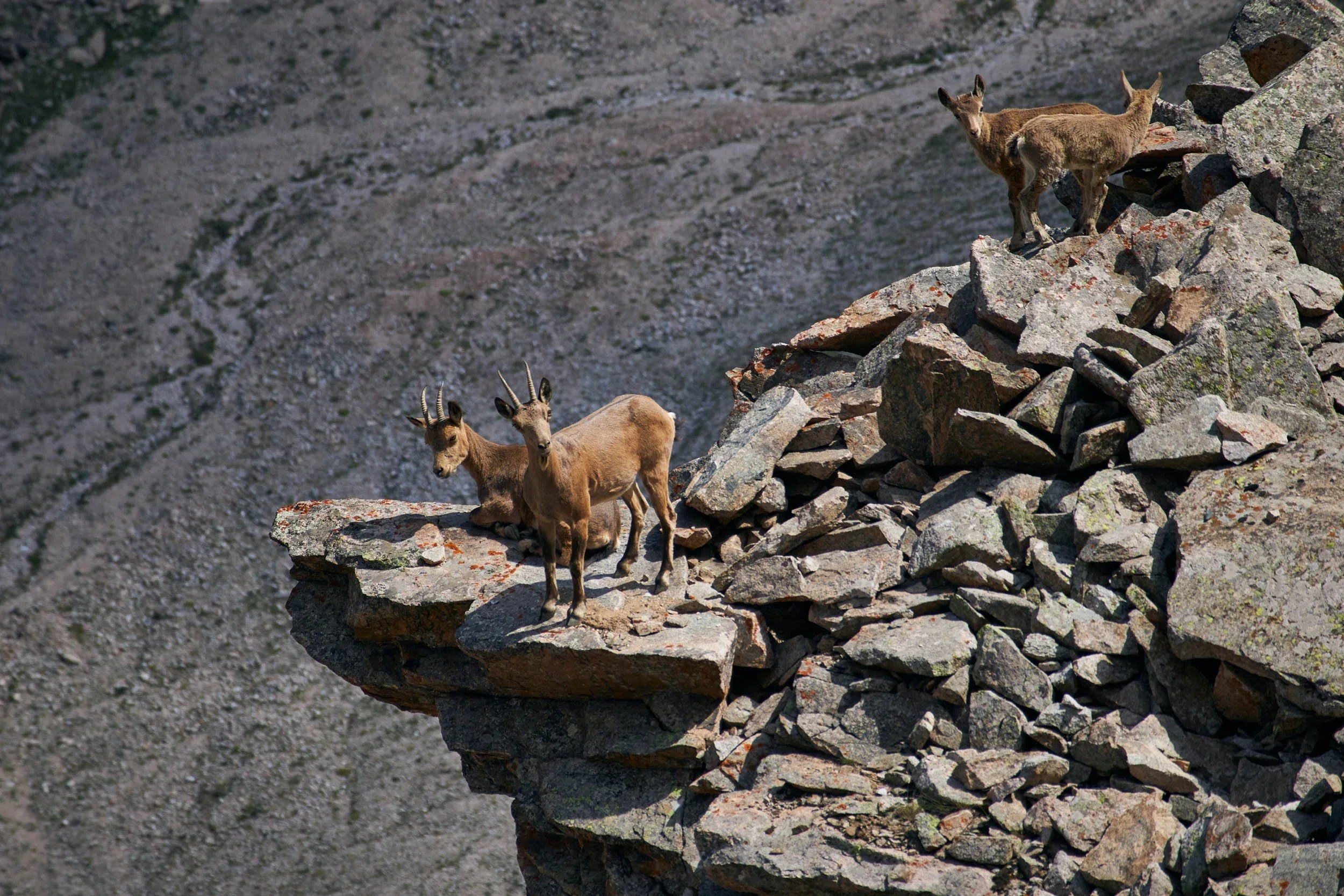
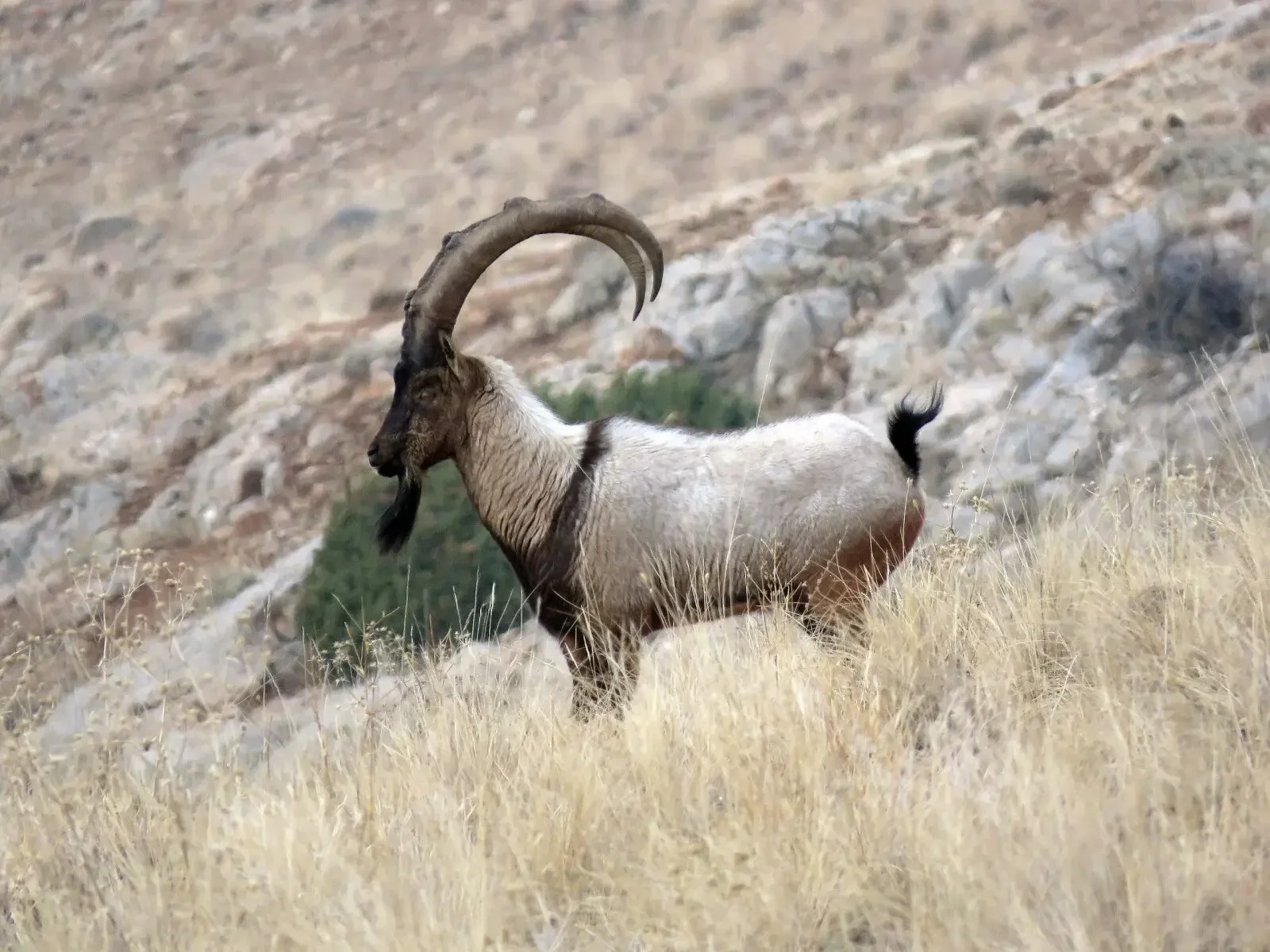
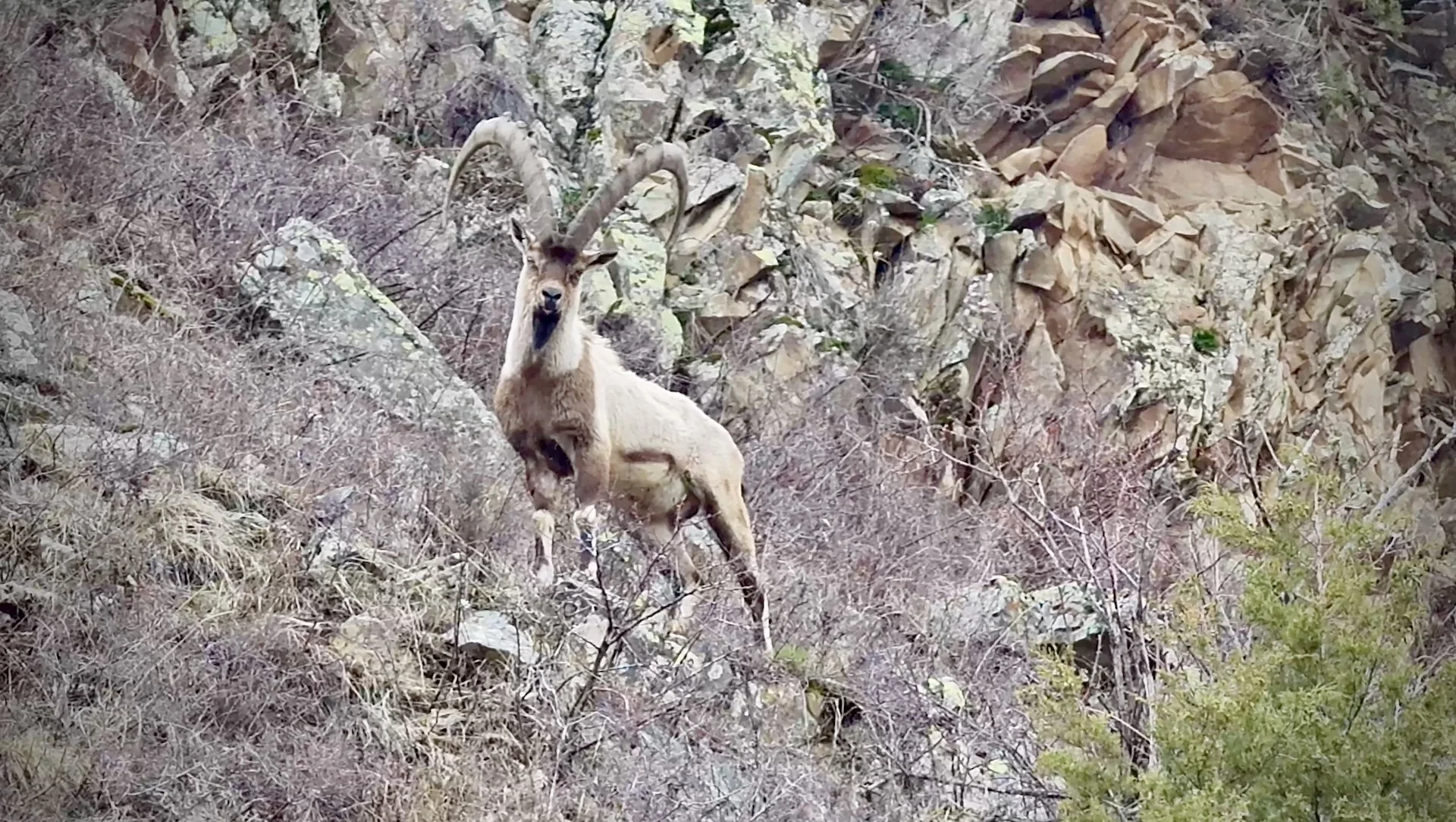
Or (Capra aegagrus) is a wild goat native to the Caucasus, renowned for its agility on steep, rocky cliffs and its impressive, long curved horns. Small, isolated populations make the species vulnerable, highlighting the need for ongoing conservation efforts.
AT A GLANCE
-
The Bezoar Ibex belongs to the Bovidae family, which includes antelope, sheep, cattle, and goats. Within this group, ibex are highly specialized mountain ungulates adapted to extreme alpine environments. They are the only true wild goat species in the Caucasus.
-
Bezoar Ibex are mixed feeders. In summer they graze on alpine grasses and herbaceous plants, while in winter they rely more heavily on woody browse such as shrubs and low tree branches when snow covers ground vegetation.
-
They occupy rugged, high-elevation terrain where cliffs and broken rock provide escape terrain from predators. These habitats are difficult for humans and livestock to access, which historically helped the species survive in remote mountain ranges.
-
During the breeding season (November - January), mature males descend from higher elevations and engage in intense dominance battles. They clash horns and posture to establish breeding rights over groups of females, known as harems.
-
After a gestation period of roughly five months, females isolate themselves on steep, protected ledges to give birth. Single kids are most common, which limits population growth and makes recovery from population declines slow. However, they are capable of having up to three at once.
QUICK FACTS
-
Adult males develop sweeping, scimitar-shaped horns that can exceed a meter in length. These horns are used both in combat during the rut and as a visual signal of maturity and genetic fitness. They possess the world’s longest horns in relation to body size.
-
Males ~ 60-90 kg
Females ~ 30-45 kg
Males are significantly larger and heavier than females, a trait known as sexual dimorphism. This size difference helps males compete physically during the breeding season but also makes them more visible and vulnerable to predators.
-
Although individuals can live longer in protected environments, most wild ibex face harsh winters, predation, and limited food availability, which reduce average lifespan compared to captive animals. The Bezoar Ibex will live up to 10-14 years old in the wild.
-
In healthy ecosystems, Bezoar Ibex form an essential prey base for large carnivores. Leopards historically relied heavily on ibex, and declines in ibex populations have been closely linked to predator declines across parts of the Caucasus and Middle East. Other predators include wolves, lynx, and the golden jackal.
GEORGIA STATUS
-
300-450 individuals as of 2022
This small population size places the species at risk from genetic isolation, disease outbreaks, and environmental shocks such as severe winters or increased poaching pressure. -
Tusheti ~300
Pshav-Khevsureti ~100
Adjara ~Extinct
These remote mountain regions contain the last viable breeding populations in Georgia. Their rugged terrain has acted as a natural refuge, but limited connectivity between herds prevents natural genetic exchange.
-
Bezoar Ibex face multiple threats, including habitat loss from expanding grazing areas and human development, competition with livestock for food, and the risk of disease transmission. Poaching is also a concern, further adding pressure to these small, isolated populations.
Help RESTORE THE BEZOAR IBEX
Your gift goes to support boots-on-the-ground field programs in the Caucasus Mountains.
NEWS & STORIES
-

A forgotten wild at the crossroads of continents
Blog - 3 mins read
-
Why Conservation Must Pay for Itself
Blog - 3 mins read
-
Conservation Through Hunting
Blog - 3 mins read