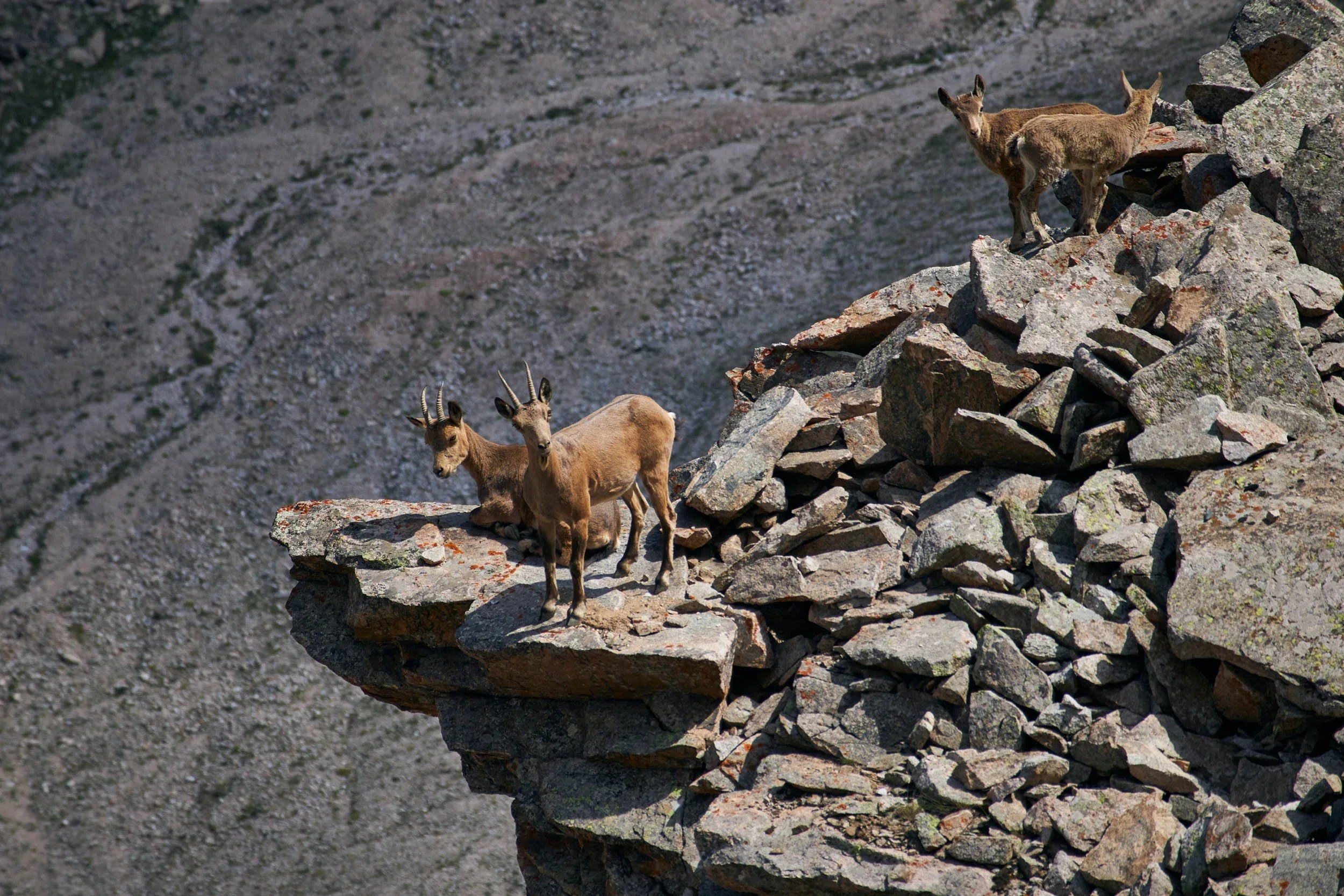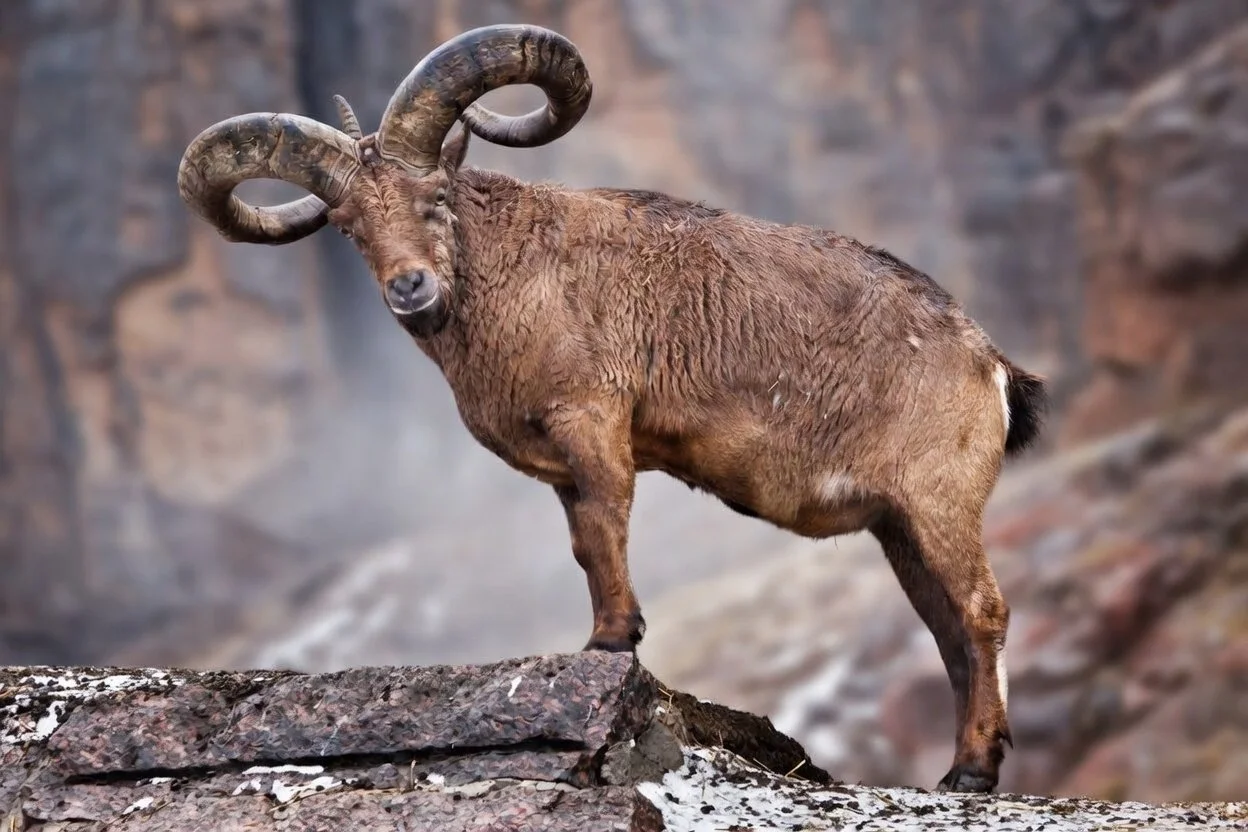
EAST CAUCASIAN TUR
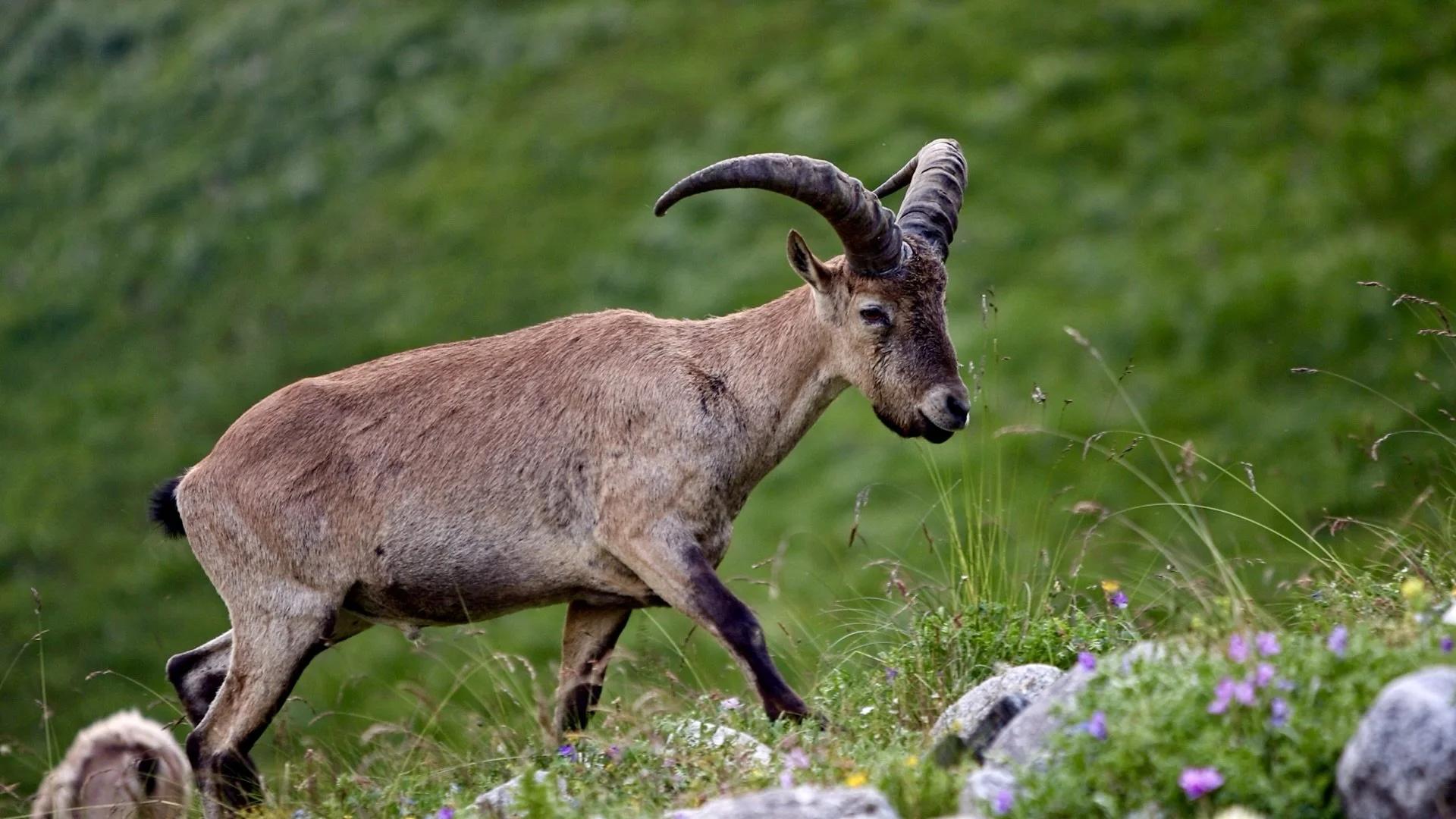
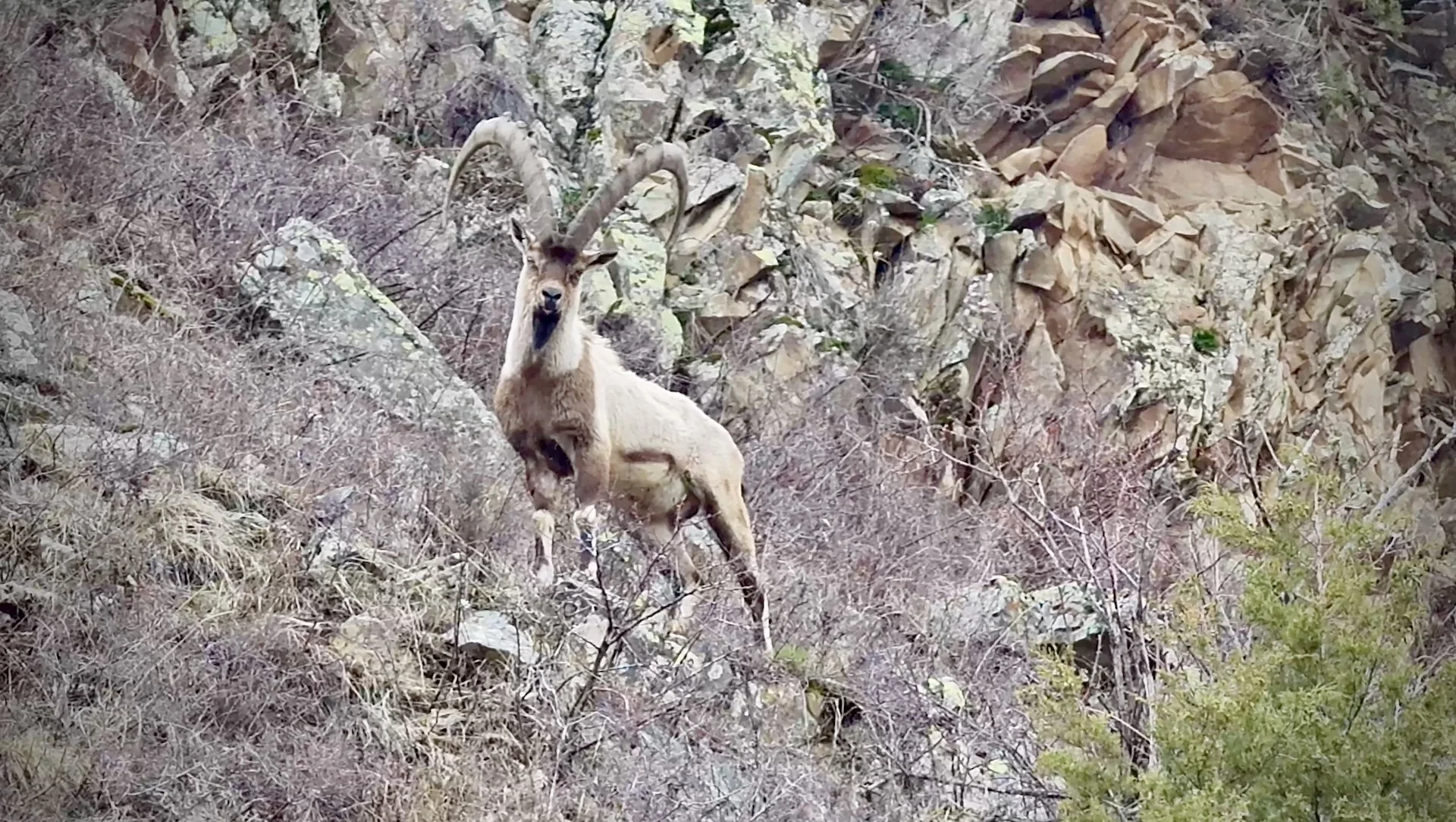
Or (Capra cylindricornis) is a high-mountain goat of the eastern Caucasus, known for the males’ heavy, lyre-shaped horns and remarkable cliff-climbing ability. Though found at high elevations, poaching and harsh winters make conservation important.
AT A GLANCE
-
Like other members of the Bovidae family, East Caucasian Tur are highly specialized mountain ungulates, closely related to other wild goats and sheep, and play an important role in high-altitude ecosystems.
-
These goats are primarily grazers, feeding on alpine grasses and herbaceous plants, but will also consume shrubs and tree leaves when available. This dietary flexibility allows them to survive in harsh high-elevation environments where food availability changes seasonally.
-
They inhabit some of the most rugged terrain in the Caucasus, moving effortlessly across steep cliffs and rocky ridges (At 1,500–4,000 m in elevation). Their habitat choice helps them avoid predators and human disturbance, but also limits their ability to migrate between populations.
-
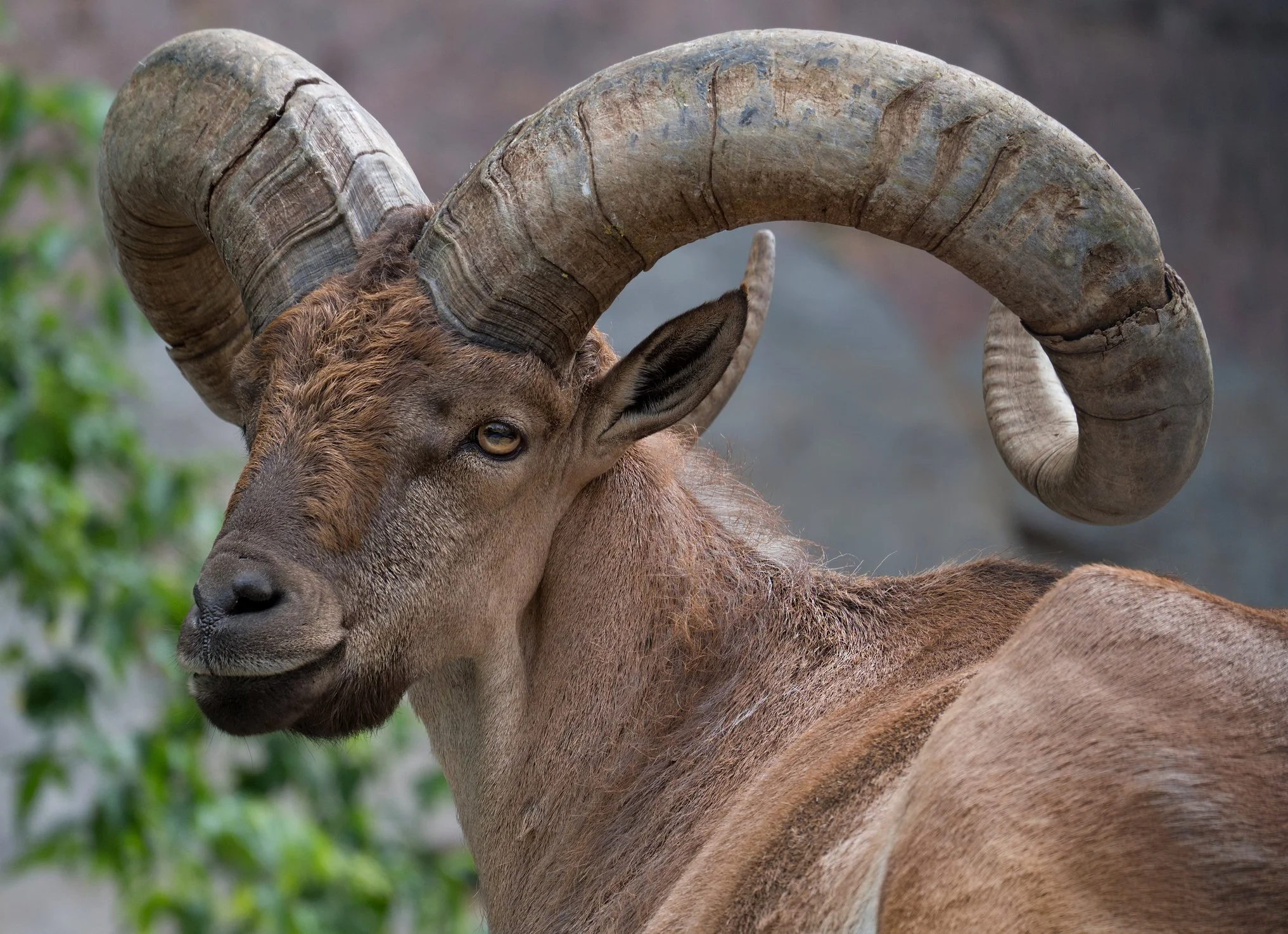
During the breeding season (November - January), males engage in dramatic contests to establish dominance and win access to groups of females. These battles, using their heavy lyre-shaped horns, determine which males will pass on their genes to the next generation.
-
Females give birth on secluded cliffs to protect their young from predators. Single births are the norm, which slows population growth but increases the chances that each kid survives in this harsh environment.
QUICK FACTS
-
Males’ horns are a striking feature, both a visual display and a tool for combat during the rut. Female horns are smaller but still help in navigating rugged terrain and defending against predators.
-
Males ~ 120-140 kg
Females ~ 50-60 kg
East Caucasian Turs are considerably larger than many other wild goats, with males nearly twice the size of females, reflecting strong sexual dimorphism and the physical demands of mountainous life.
-
Survival depends on avoiding predators, harsh winters, and food scarcity. Like many high-altitude ungulates, their lifespan is limited by environmental pressures. The Tur will typically live up to 10-14 years in the wild.
-
Tur are an important prey species for large predators, maintaining ecological balance in their alpine habitats. Their agility and cliff-climbing ability are crucial for avoiding these threats. Their main predators include wolves, lynx, and leopards.
GEORGIA STATUS
-
6,500 Individuals
Populations in Georgia are relatively stable compared to some other mountain caprids, but small, isolated groups remain vulnerable to environmental changes and human pressures. -
Hunting Tur is prohibited in Georgia. Legal protections, enforcement and monitoring remain important to ensure populations remain secure.
-
While hunting is prohibited, poaching still occurs in some areas. Human activities can disturb sensitive habitats, while competition with domestic livestock reduces available forage. Harsh winter conditions add an additional natural challenge, making conservation efforts critical to maintain population stability.
RESTORE THE EAST CAUCASIAN TUR
With WG’s 100% model, your entire gift goes to support boots on the groundfield programs in the Caucasus Mountains.
NEWS & STORIES
-

A forgotten wild at the crossroads of continents
Blog - 3 mins read
-
Why Conservation Must Pay for Itself
Blog - 3 mins read
-
Conservation Through Hunting
Blog - 3 mins read