WEST CAUCASIAN TUR
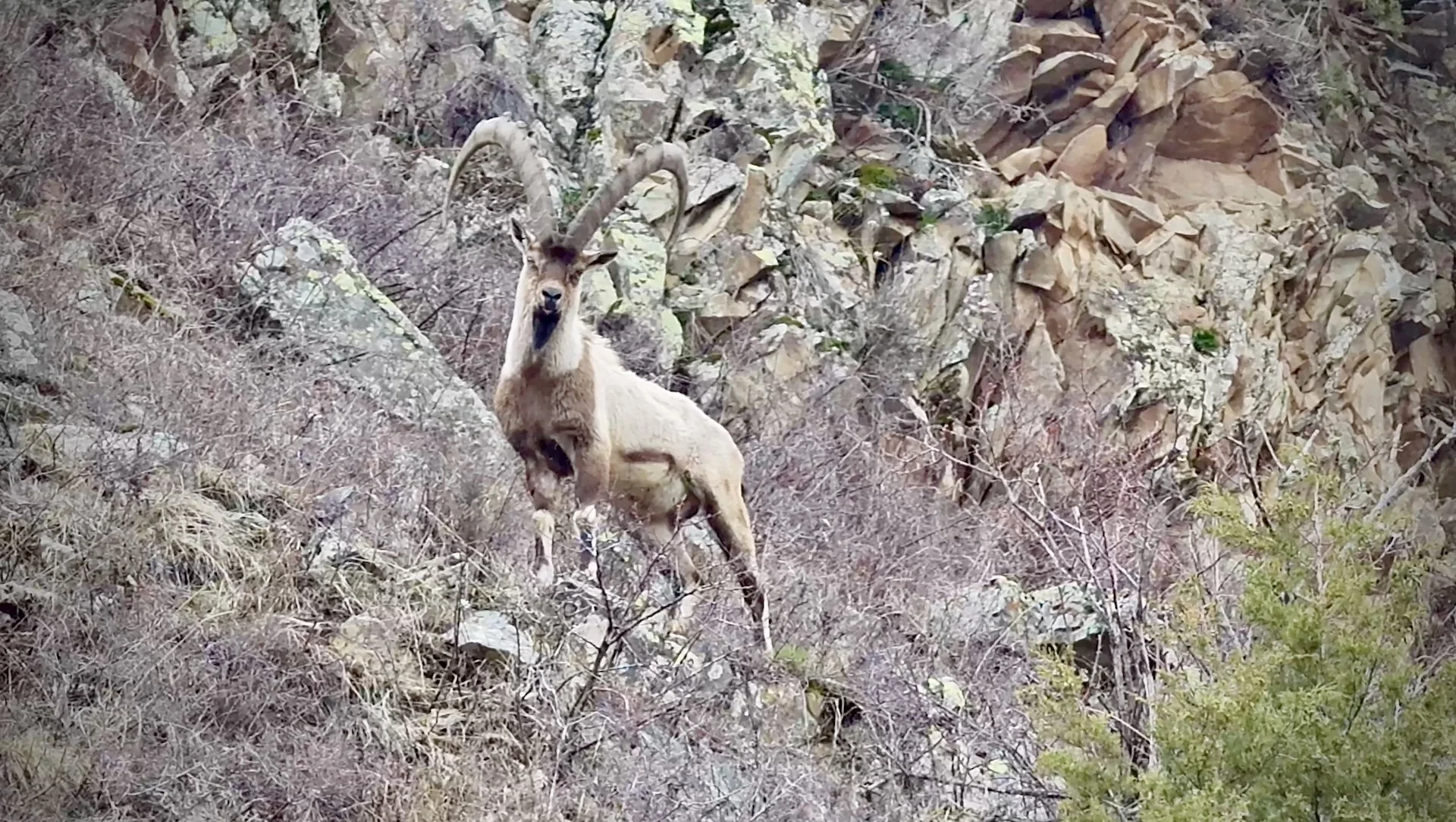
Or (Capra caucasica) is a rare mountain goat of the western Greater Caucasus, known for males’ ridged, scimitar-shaped horns and sure-footed climbing. With very few individuals left, conservation is critical.
AT A GLANCE
-
Like other wild goats and sheep, the West Caucasian Tur belongs to the Bovidae family. This group includes mountain-dwelling ungulates that are critical for maintaining alpine ecosystem balance.
-
West Caucasian Tur feed on a mix of grasses and herbaceous plants during the summer and rely more on woody browse in harsher seasons. This diet allows them to survive in subalpine and alpine environments where food availability varies widely.
-
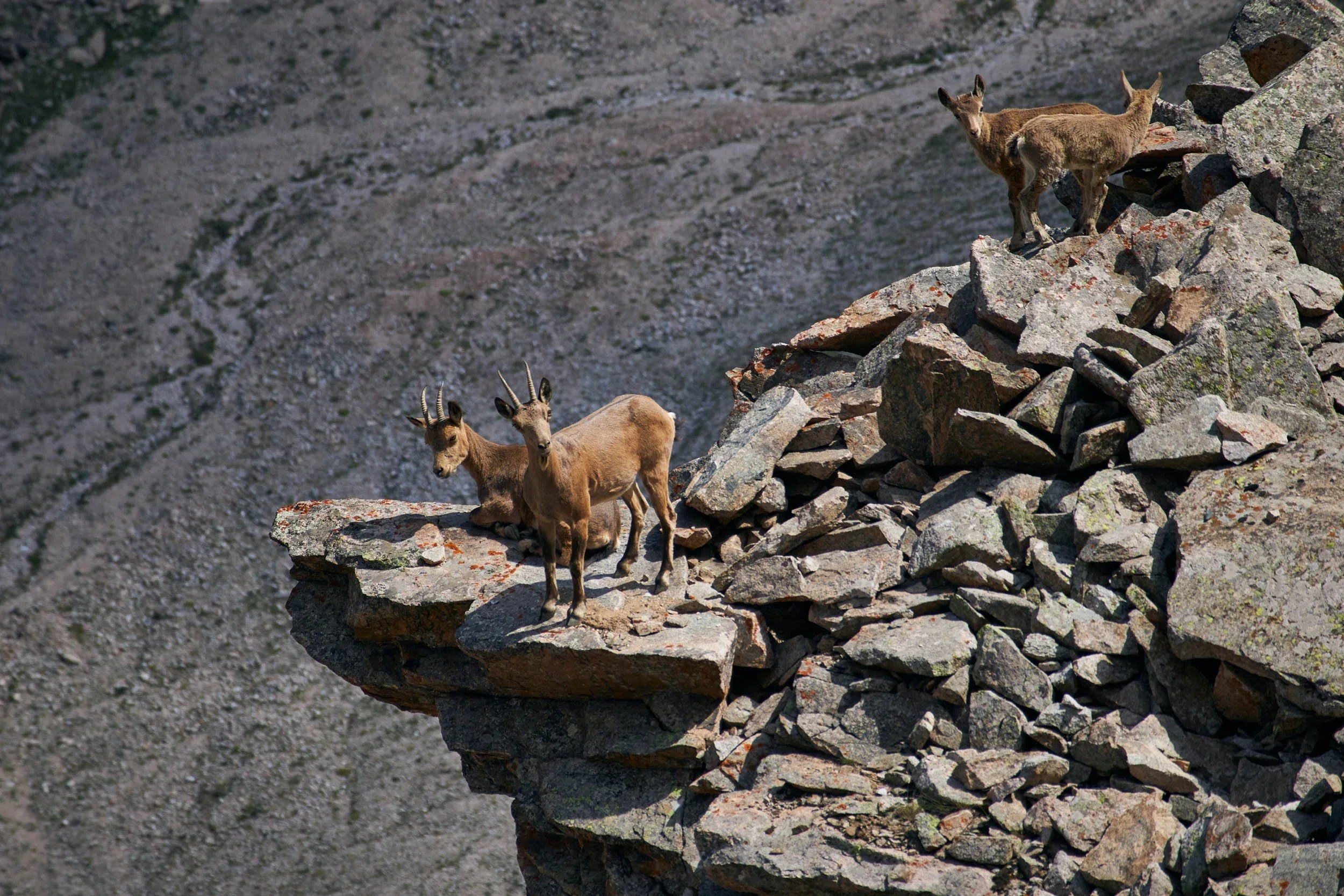
They inhabit steep, rugged mountain slopes, often above the tree line, which provides safety from predators. Their limited and fragmented habitat contributes to their endangered status.
-
During the breeding season (November - January), males engage in displays and fights using their heavily ridged, scimitar-shaped horns to compete for access to females.
-
Females usually give birth (May - July) on protected slopes, ensuring that at least one offspring survives in the harsh mountain environment. Twin births are less common.
-
Endangered (IUCN Red List)
With one of the smallest ranges of any ungulate species, the West Caucasian Tur is highly vulnerable to human pressure and environmental changes.
-
Their extremely limited range makes population recovery challenging and increases the importance of focused conservation efforts.
QUICK FACTS
-
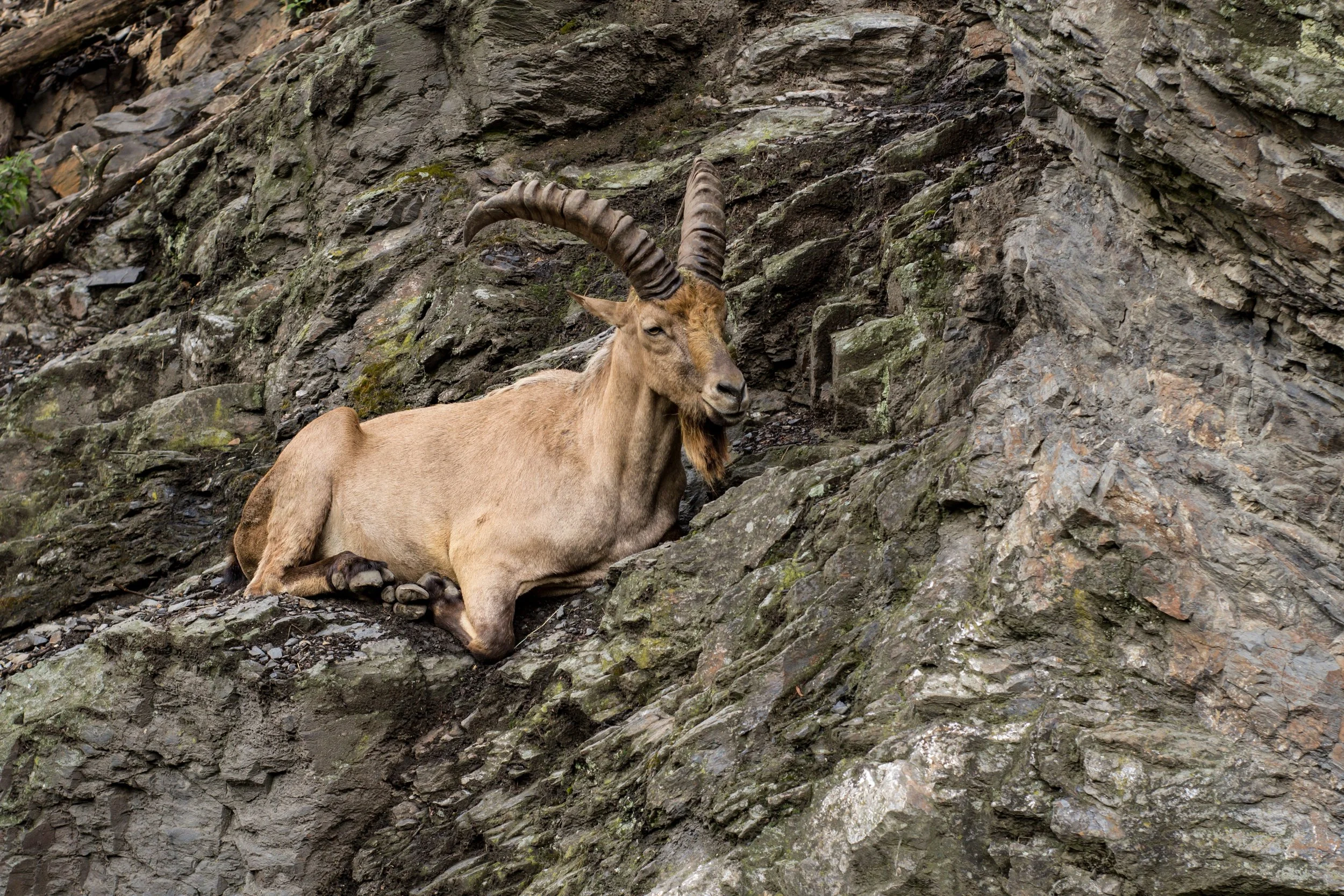
The horns are both a display feature and a weapon for male competition during the rut. They are heavily ridged, scimitar-shaped and typically measure ~70 cm. Female horns are smaller but still functional.
-
Males ~ 65-80 kg
Females ~ 50-60 kg
This relatively stocky goat has long legs, giving it agility over cliffs, earning it the nickname “goat-antelope.” Its shoulder height reaches about 1 meter.
-
Survival depends on avoiding predators, harsh winters, and the increasing pressures of habitat loss and fragmentation. The Tur will typically live up to 12-15 years old in the wild.
-
Herds of ~10 in summer; larger aggregations in winter
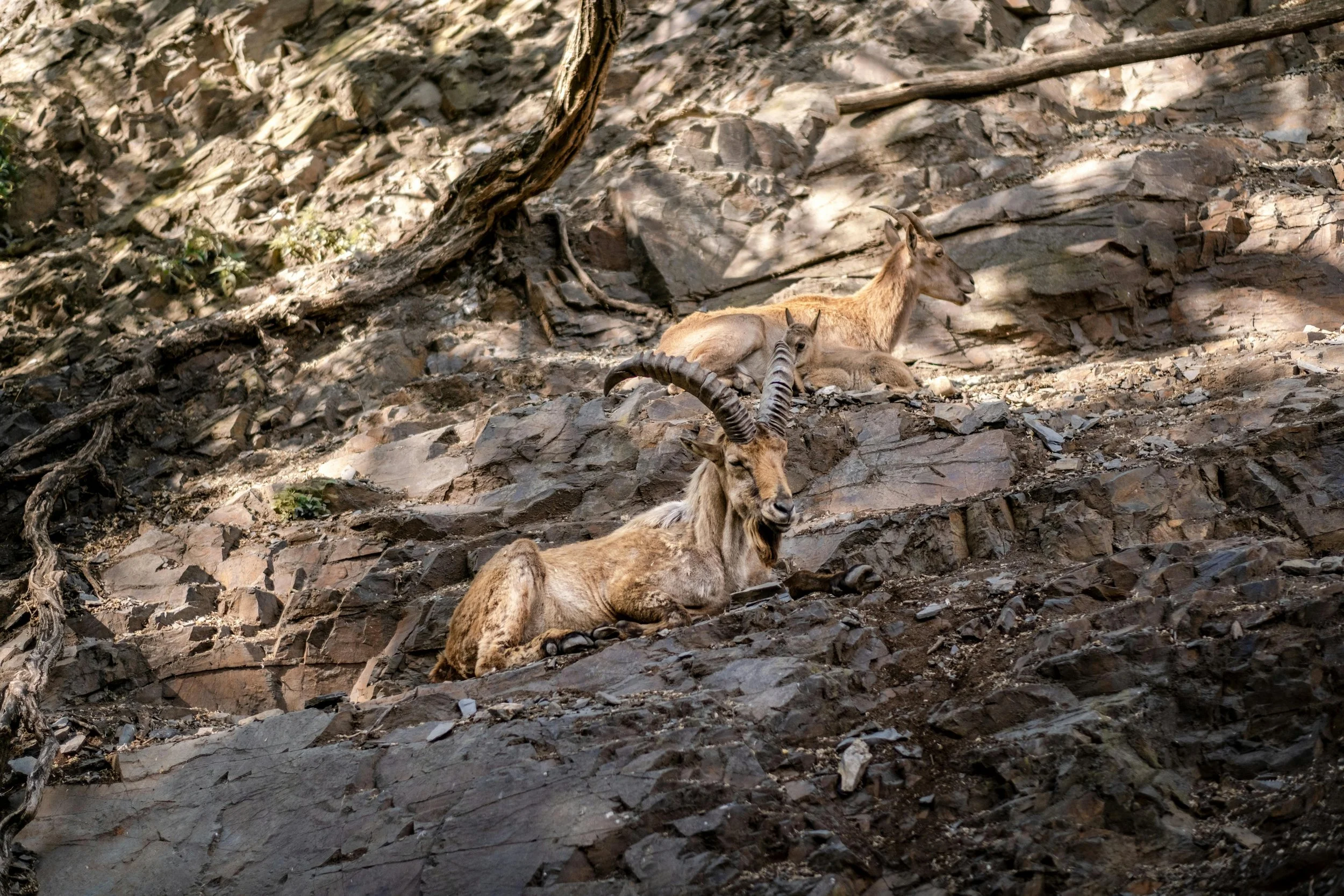
West Caucasian Turs are social, forming small groups during the summer when food is abundant and larger winter herds to navigate snow-covered terrain and find forage more efficiently.
-
West Caucasian Tur combine a stocky goat-like body with long, antelope-like legs, making them exceptionally adapted for climbing steep terrain while covering ground efficiently.
GEORGIA STATUS
-
12 Individuals (GE Wildlife Agency 2025)
The species is extremely rare in Georgia, highlighting the urgent need for protection and habitat management.
-
Hunting is prohibited!
Strict legal protection is in place, but small population size makes enforcement and monitoring essential.
-
Even with legal protection, small populations are highly vulnerable. Human disturbance, infrastructure development, and domestic livestock reduce available habitat and food, while introducing the risk of disease. Poaching, though limited, remains a serious threat given the species’ rarity.
-
Svaneti & Western Greater Caucasus
Conservation efforts are concentrated in these areas, where the last remaining individuals survive in remote alpine habitats.
RESTORE THE WEST CAUCASIAN TUR
With WG’s 100% model, your entire gift goes to support boots on the groundfield programs in the Caucasus Mountains.
NEWS & STORIES
-

A forgotten wild at the crossroads of continents
Blog - 3 mins read
-
Why Conservation Must Pay for Itself
Blog - 3 mins read
-
Conservation Through Hunting
Blog - 3 mins read