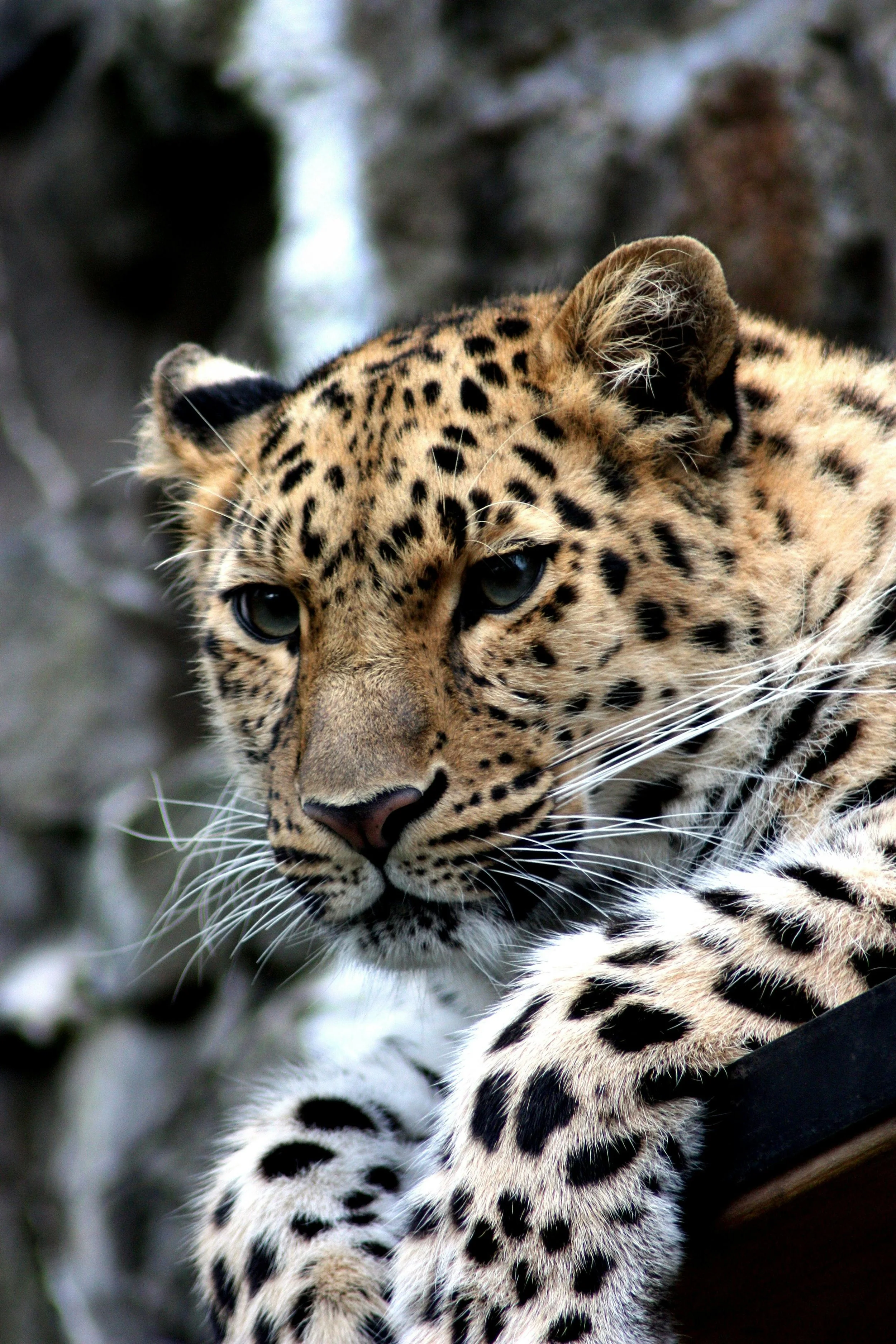
PERSIAN LEOPARD
Or (Panthera pardus tulliana) is a rare big cat of the Caucasus, extremely scarce in Georgia. It survives in rugged mountains but faces threats from poaching, prey loss, and habitat fragmentation.
AT A GLANCE
-
The Persian Leopard belongs to the Felidae family, which includes all cats from domestic cats to lions. As an apex predator, it plays a crucial role in maintaining healthy ecosystems by regulating herbivore populations.
-
As opportunistic predators, they feed on species such as wild goats, tur, deer, wild boar, and smaller mammals like hares. Their diet depends on prey availability, and declines in ungulate populations directly threaten leopard survival.
-
Persian Leopards thrive in remote and rugged terrain that offers cover for hunting and dens for raising cubs. They are highly adaptable, occupying elevations from lowland forests to high mountain cliffs.
-
Endangered (IUCN Red List)
The species is listed as Endangered due to dramatic population declines, habitat loss, and fragmentation across its range. Conservation measures are critical to prevent further decline.
-
Caucasus and parts of West and Central Asia
Historically widespread, the Persian Leopard now occupies roughly 20% of its former range. Most of the global population (about 83 %) is found in Iran, while small, isolated groups remain across the Caucasus, eastern Anatolia, Central Asia, and neighboring regions.
QUICK FACTS
-
Persian Leopards are highly territorial and usually active at night or during dawn and dusk to avoid human activity. Their solitary nature and wide-ranging behavior make them difficult to study but essential for ecosystem balance.
-
Males ~ 60-91 kg
Females ~ 27-60 kg
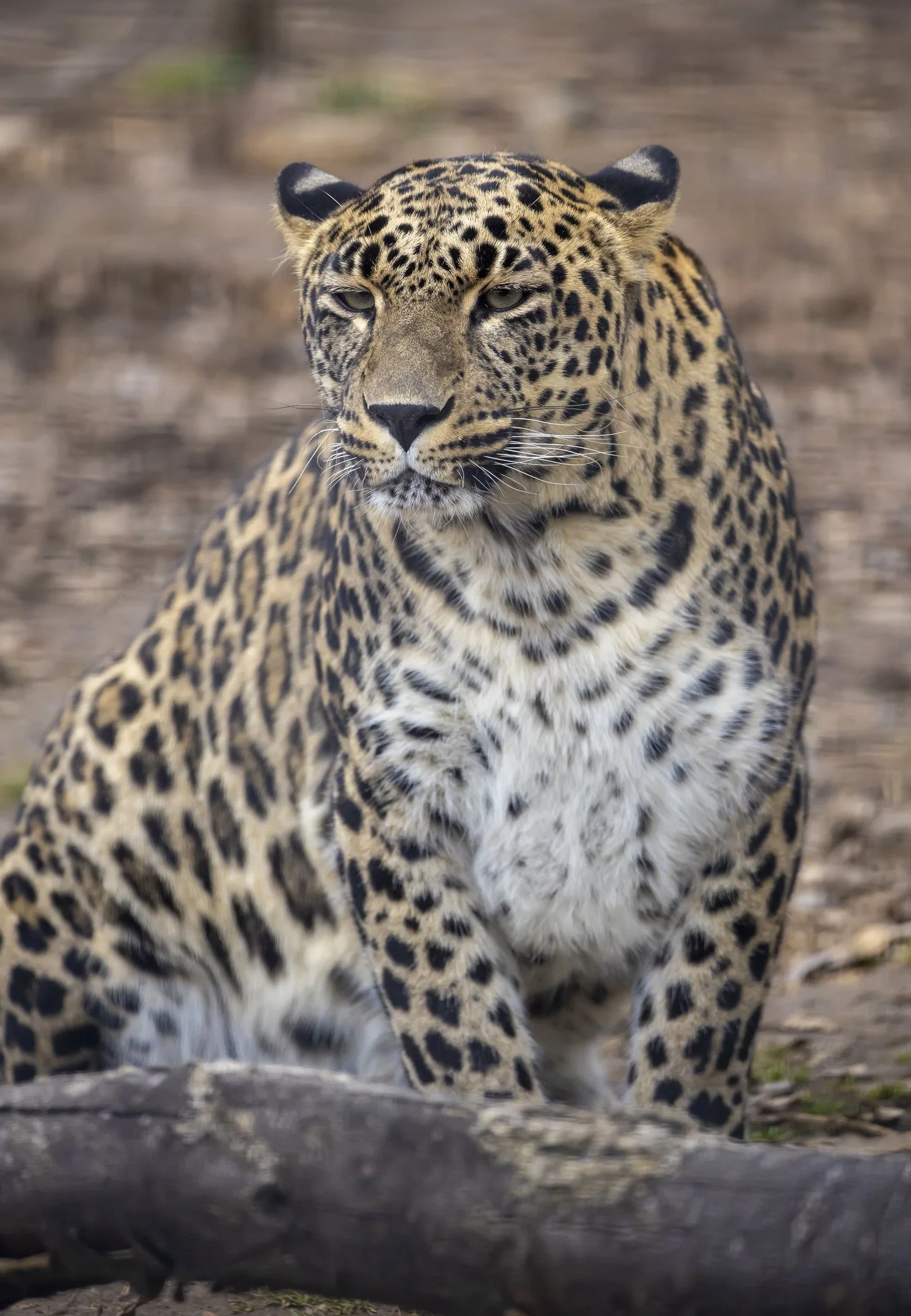
This powerful, muscular cat is built for stealth and strength, allowing it to navigate rugged mountains and rocky ravines with ease. Its long body and strong limbs make it an agile and capable apex predator.
-
The Persian Leopard typically lives up to 12–15 years in the wild. In captivity, they can live longer, sometimes over 20 years.
-
The Leopard occupies only about 20% of its historical habitat. Human encroachment and environmental pressures have dramatically reduced their range, isolating populations and making them vulnerable to genetic bottlenecks.
GEORGIA STATUS
-
Unknown Individuals in Georgia
40-60 Individuals in the Caucasus
Small populations in the Caucasus are isolated and vulnerable, making cross-border conservation cooperation and protection of prey species critical for their survival. There is no resident breeding population in Georgia.
-
Hunting is prohibited!
Persian Leopards are fully protected in Georgia, with hunting banned, but the country hosts no established breeding population.
-
Illegal hunting for fur and body parts, combined with the loss of prey species and fragmented habitats due to roads, agriculture, and development, remain the main challenges to population recovery.
-
Algeti National Park (September 2025)
This recent sighting confirms the presence of leopards in Georgia but does not indicate a stable population. Documented sightings are extremely scarce, underscoring how elusive and rare the species is in the region. There have been only three confirmed sightings in 20 years.
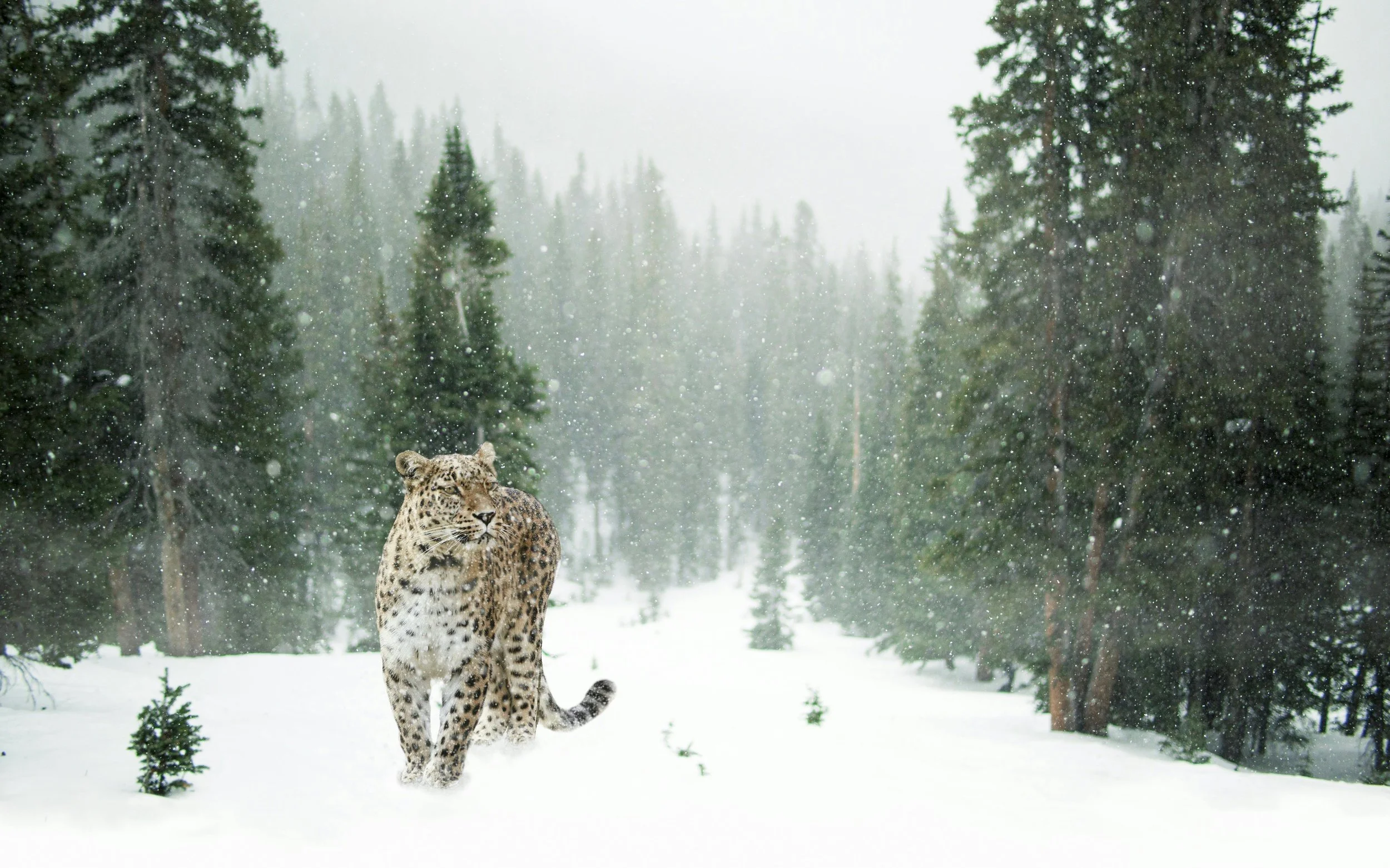
RESTORE THE Persian Leopard
With WG’s 100% model, your entire gift goes to support boots on the groundfield programs in the Caucasus Mountains.
NEWS & STORIES
-

A forgotten wild at the crossroads of continents
Blog - 3 mins read
-
Why Conservation Must Pay for Itself
Blog - 3 mins read
-
Conservation Through Hunting
Blog - 3 mins read